
Ashtanga yoga for beginners: a complete guide to getting started
Ashtanga has a reputation for being the most demanding style of yoga. Some approach it with fascination, others with dread. The reality is more nuanced: Ashtanga is rigorous, yes—but it is also deeply structured, and more accessible to motivated beginners than one might think.
What is Ashtanga yoga?
Ashtanga yoga is a system codified by Sri K. Pattabhi Jois in the 20th century in Mysore, India. It follows a fixed sequence of postures, always in the same order, connected by transitions (vinyasas) synchronized with the breath. We have written an introductory article to discover Ashtanga yoga and its history if you want the full context.
The Mysore system: understanding the most common format
You will hear about the "Mysore style." It is the traditional format of Ashtanga: each student practices at their own pace, in a communal room, learning the sequence posture by posture. The advantage for a beginner: you don't have to follow a group at everyone else's pace. You progress at your own speed.
The postures of the Primary Series
The Primary Series always begins with Surya Namaskara (sun salutation). Here are the main families of postures:
- Sun salutations A and B: the backbone of every session.
- Standing postures: balance, strength, hip opening.
- Seated postures: working the hips, hamstrings, forward folds.
- Closing postures: inversions, bridge, fish pose.
- Savasana: final relaxation posture.
One posture appears constantly in Ashtanga: the downward-facing dog. We have dedicated an entire article to it — downward-facing dog, an essential yoga posture. More broadly, our guide on asanas and yoga postures will help you understand the terminology.
The three pillars of Ashtanga
- Pranayama (ujjayi breathing): an audible and controlled breath that paces the entire practice. We have dedicated a detailed article to it: ujjayi, the victorious breath.
- Drishti: fixed gaze points for each posture. They develop concentration.
- Bandhas: energetic locks that stabilize and protect the body during practice.
Beginner Ashtanga: the first months in practice
Beginners usually start with the sun salutations over several weeks. Progress is slow but deep—you watch your body improve, posture after posture.
If you are still hesitating between Ashtanga and other styles, our guide to different yoga styles compares the main practices to help you choose.
What you need to practice
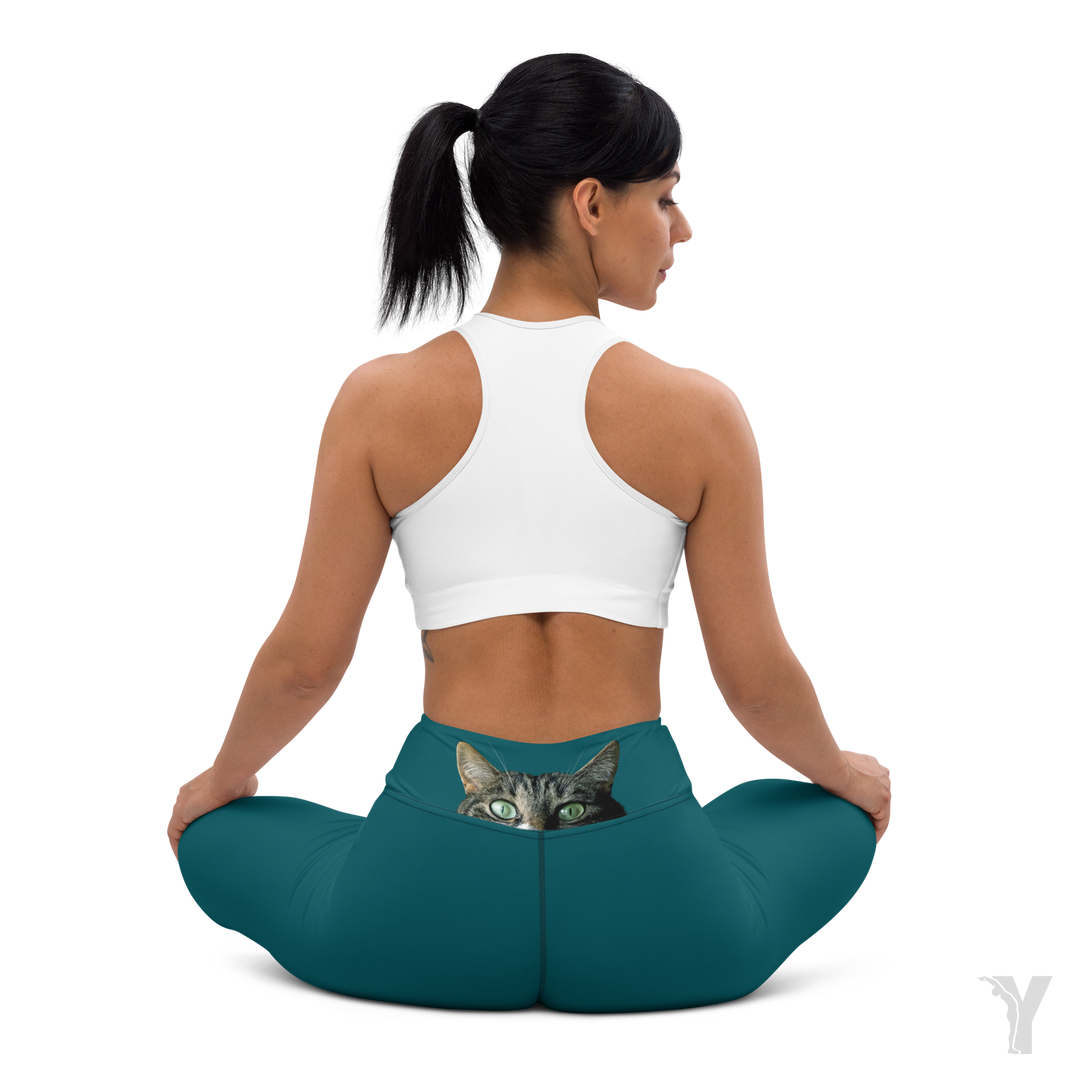
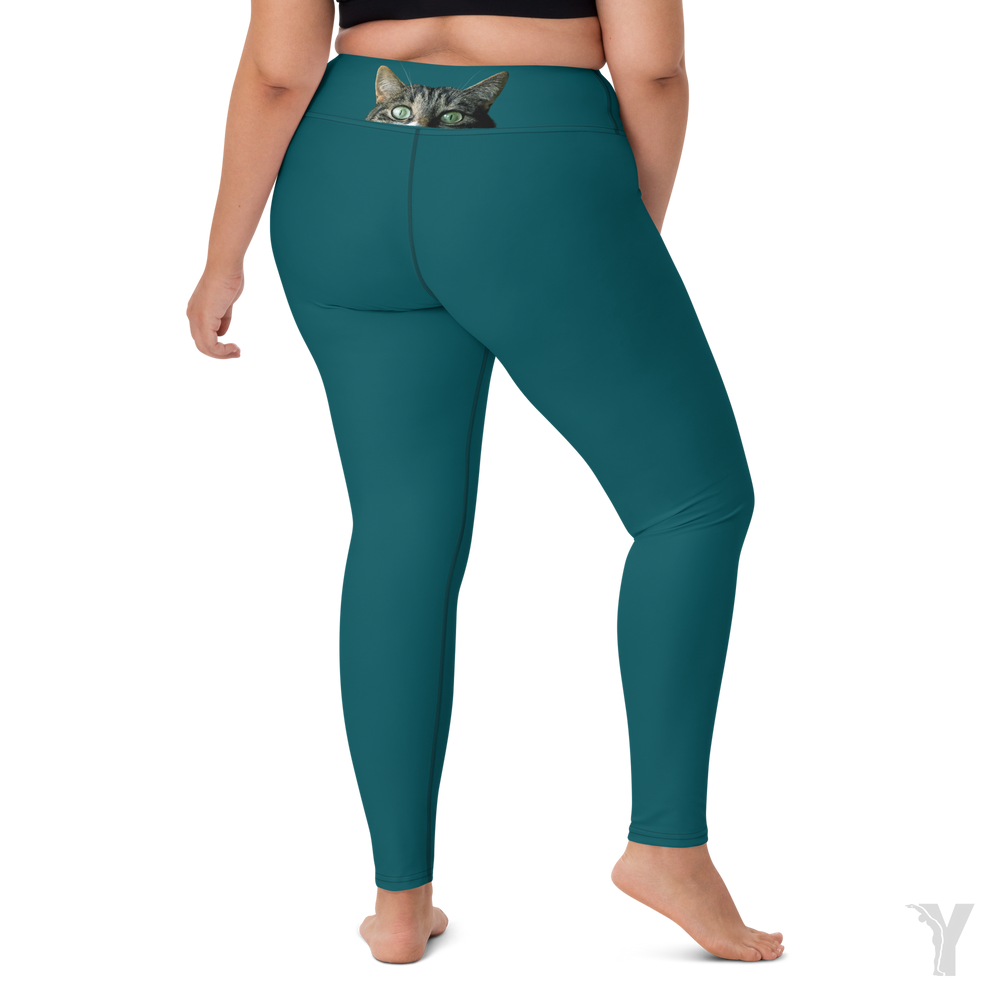
A good non-slip mat, a mat towel, and fitted clothing that follows your movements. Clothing matters particularly in Ashtanga: the postures are very varied, and the transitions are active. For equipment in general, we have listed the essential equipment for a good yoga practice.
Our favorite

Men's Yoga Shorts — Black ✨
Fitted cut, total freedom of movement for postures and transitions — eco-friendly, made in Europe.
Discover the shorts →Ashtanga is for you if...
- You like structured frameworks and measurable progress
- You want a practice that is both physically demanding and meditative
- You are ready to take the time to learn something in depth
- You are looking for a daily practice (Ashtanga is traditionally practiced 6 days out of 7)
To gear up before your first session, check out our women's yoga clothing collection and our men's collection.