
Downward Dog: An Essential Yoga Pose

Origins and Meaning of Downward-Facing Dog
History:
Downward-Facing Dog is a posture that dates back thousands of years and is an integral part of traditional Indian yoga. It gets its name from the Sanskrit words "Adho" meaning "downward," "Mukha" for "face," and "Svana" which means "dog." This posture is often compared to the way a dog naturally stretches.
Symbolism:
In yoga, Downward-Facing Dog symbolizes strength, stability, and flexibility. It is considered an active resting pose, allowing the body to regain energy while releasing accumulated tension.
Benefits of Downward-Facing Dog
Physical:
- Improved flexibility: This posture stretches the hamstrings, calves, and spine, promoting better overall flexibility.
- Muscle strengthening: It engages and strengthens the muscles of the arms, shoulders, and legs, while toning the core.
- Spinal lengthening: By lengthening the spine, it helps improve posture and relieve back and neck tension.
- Circulation stimulation: By inverting blood flow, it stimulates circulation and promotes better oxygenation of the brain.
Mental:
- Stress reduction: The inverted position helps calm the mind and reduce anxiety, providing a sense of relaxation.
- Improved concentration: By calming the mind, this posture improves concentration and mental clarity.
Technique and Execution of Downward-Facing Dog
Steps of the posture:
- Starting position: Begin in a plank position, hands placed under the shoulders and feet hip-width apart.
- Transition: As you exhale, lift your hips towards the sky, forming an inverted "V" with your body. Keep your heels directed towards the floor, even if they don't touch it.
- Alignment: Make sure your hands are shoulder-width apart and your fingers are spread wide. Your arms should be straight, and your shoulders away from your ears.
- Breathing: Maintain the posture while breathing deeply, releasing any tension in your neck and head, which should be aligned with your spine.
Tips for beginners:
- Props: Use blocks under your hands to relieve pressure on your wrists.
- Adaptations: Slightly bend your knees to facilitate spinal lengthening if your hamstrings are tight.
Variations and Modifications
Variations for advanced practitioners:
- Three-legged Downward-Facing Dog: Lift one leg towards the ceiling while maintaining the posture, which intensifies muscle stretching and strengthening.
- Dynamic transitions: Flow from Downward-Facing Dog to postures such as Plank or Pigeon for a fluid and energizing sequence.
Modifications for beginners or people with limitations:
- Bent knees: Keep your knees slightly bent to reduce tension on the hamstrings and facilitate spinal lengthening.
- Using a wall: Place your hands on a wall at hip height to work on alignment and stretching without putting pressure on the wrists.
5. Integration into a yoga sequence
Downward-Facing Dog in Vinyasa and Ashtanga series:
In Vinyasa and Ashtanga practices, Downward-Facing Dog is often used as a transitional pose to link different postures. It also serves as a resting point to recover between more intense sequences.
Example of a flow incorporating this posture:
- Mountain Pose (Tadasana).
- Forward Fold (Uttanasana).
- Plank.
- Downward-Facing Dog.
- Warrior I (Virabhadrasana I).
- Downward-Facing Dog.
- Child's Pose (Balasana) for relaxation.
Precautions and contraindications
Conditions to monitor:
- High blood pressure: Consult a doctor before practicing this pose if you suffer from hypertension.
- Wrist or shoulder problems: Adapt the pose or use props to avoid aggravating these conditions.
Recommendations for safe practice:
- Warm-up: Make sure to warm up properly before practicing Downward-Facing Dog, especially if you have tight muscles.
- Listen to your body: Never force a posture if it causes pain. Adapt it according to your needs and abilities.
Conclusion
Downward-Facing Dog is an essential yoga posture that offers numerous benefits for the body and mind. By incorporating this posture into your daily practice, you can improve your flexibility, strengthen your muscles, and calm your mind. Whether you are a beginner or an experienced practitioner, feel free to explore variations and adaptations to get the most out of this posture.
So, unroll your mat and let yourself be guided by the revitalizing power of Downward-Facing Dog! Also discover the essential yoga postures to build a balanced practice.
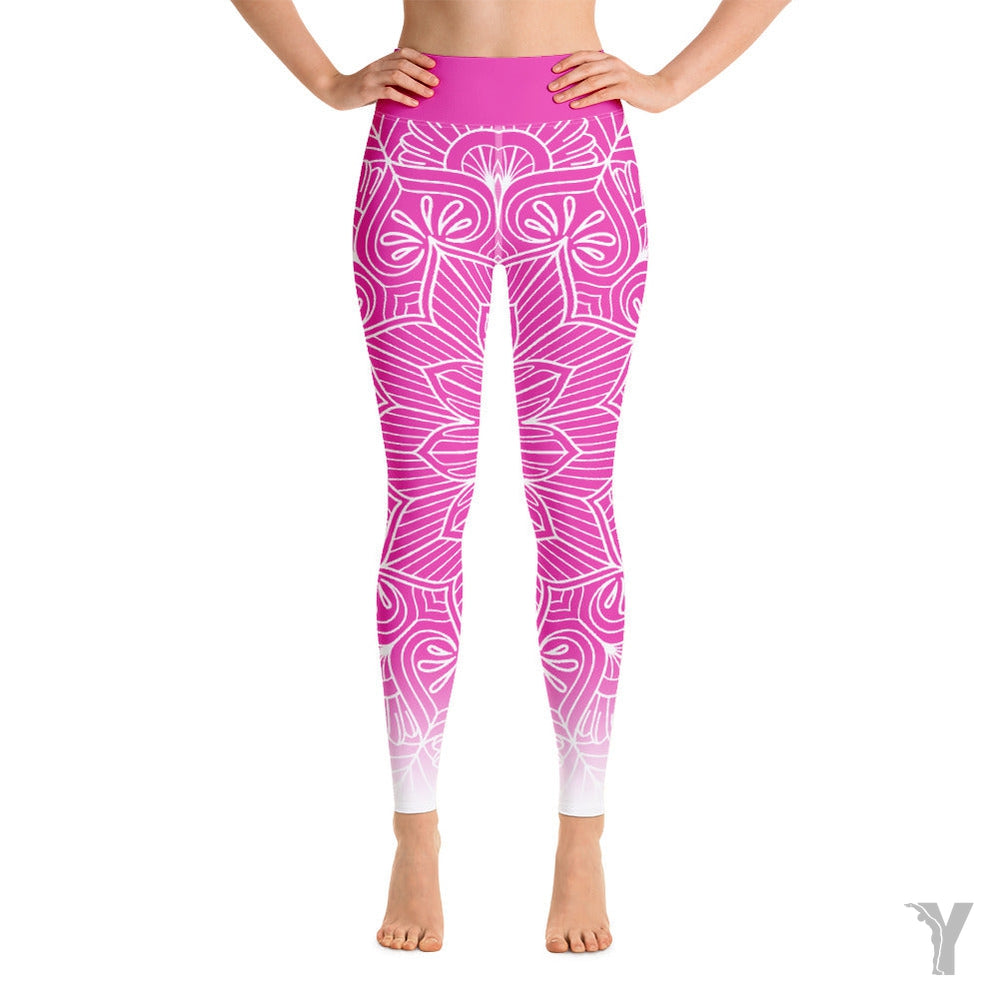
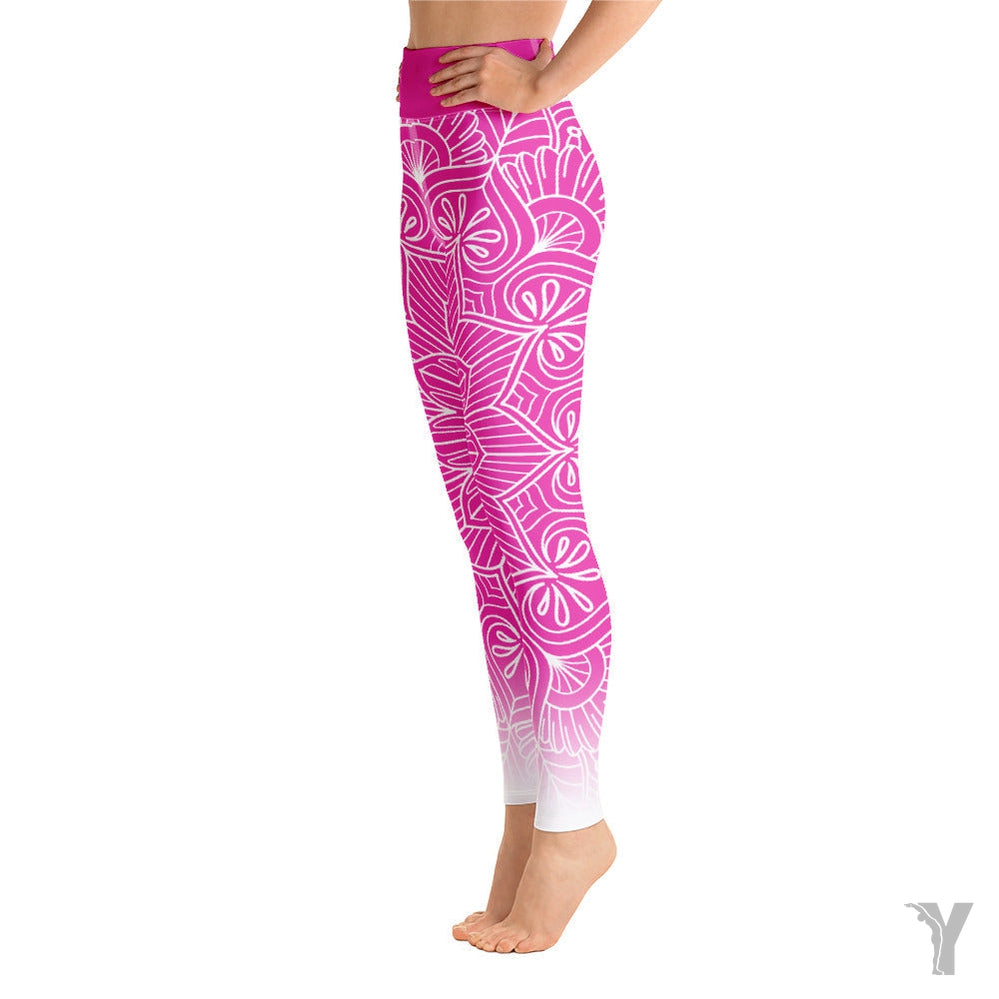
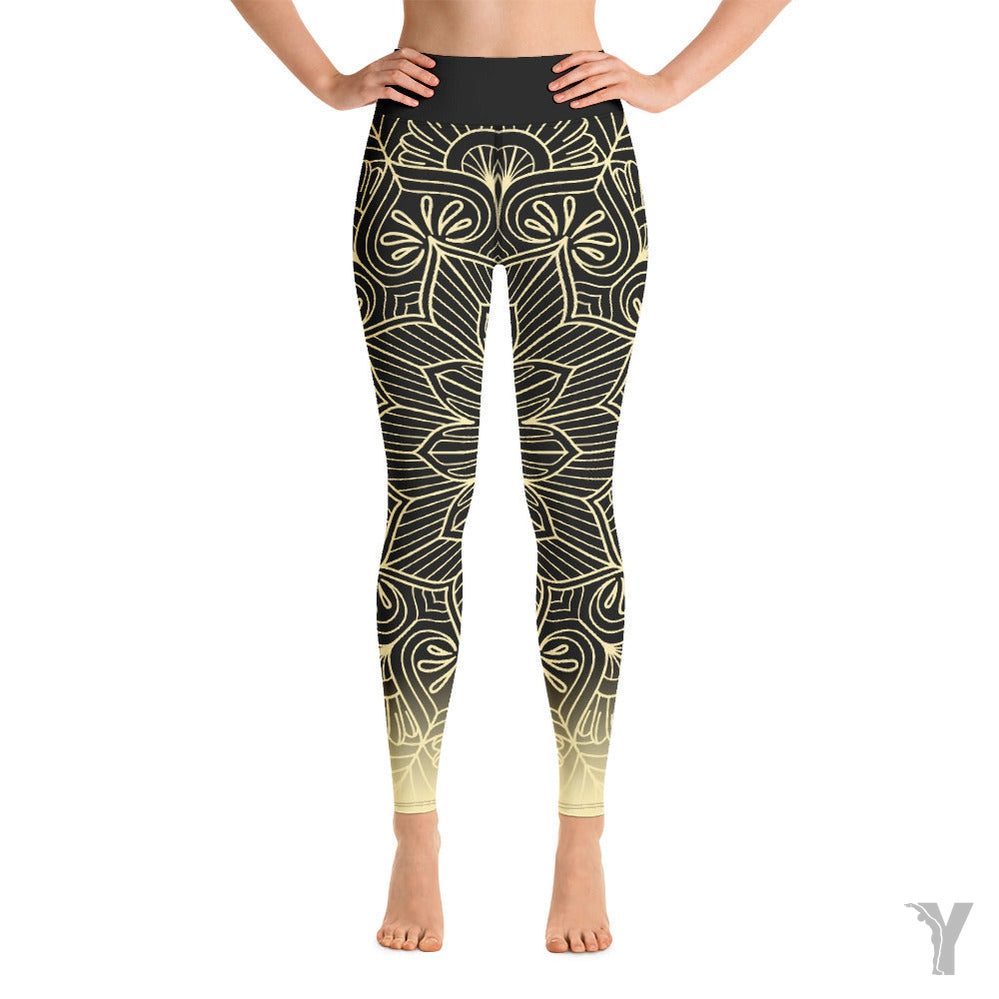
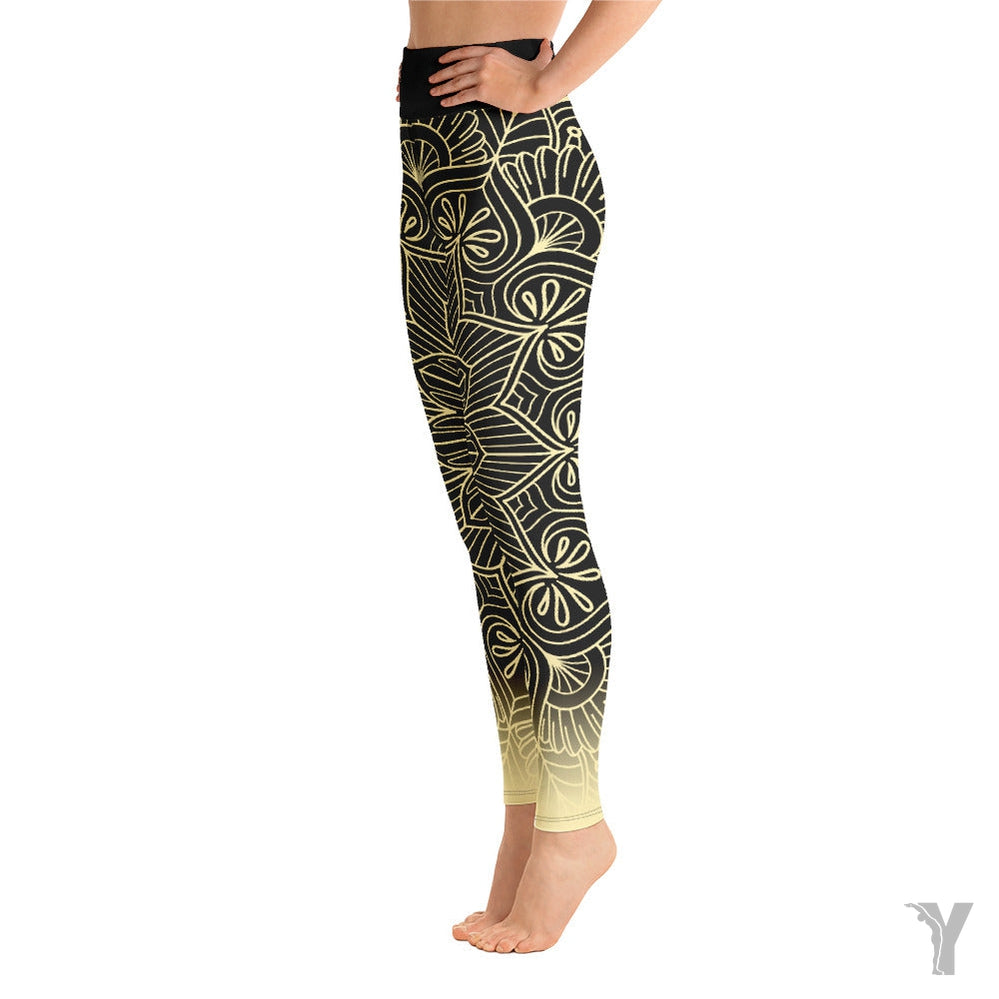
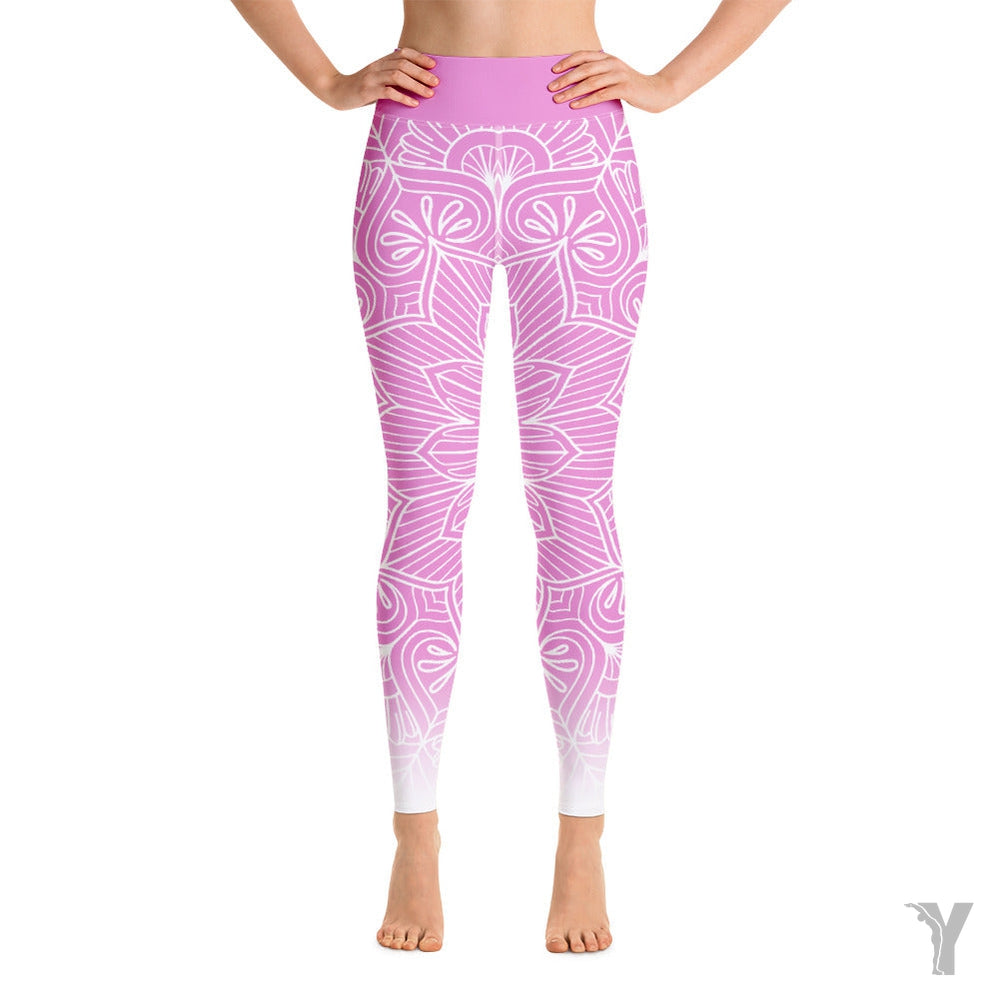
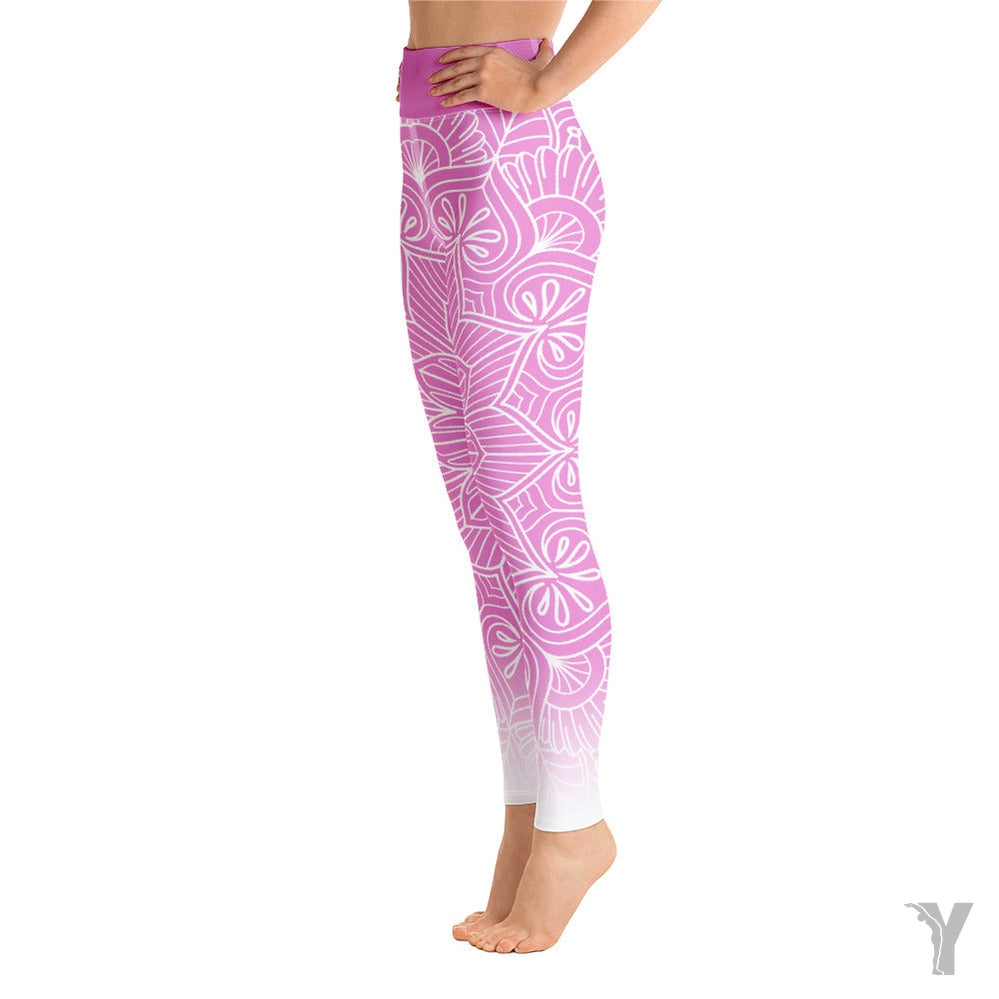
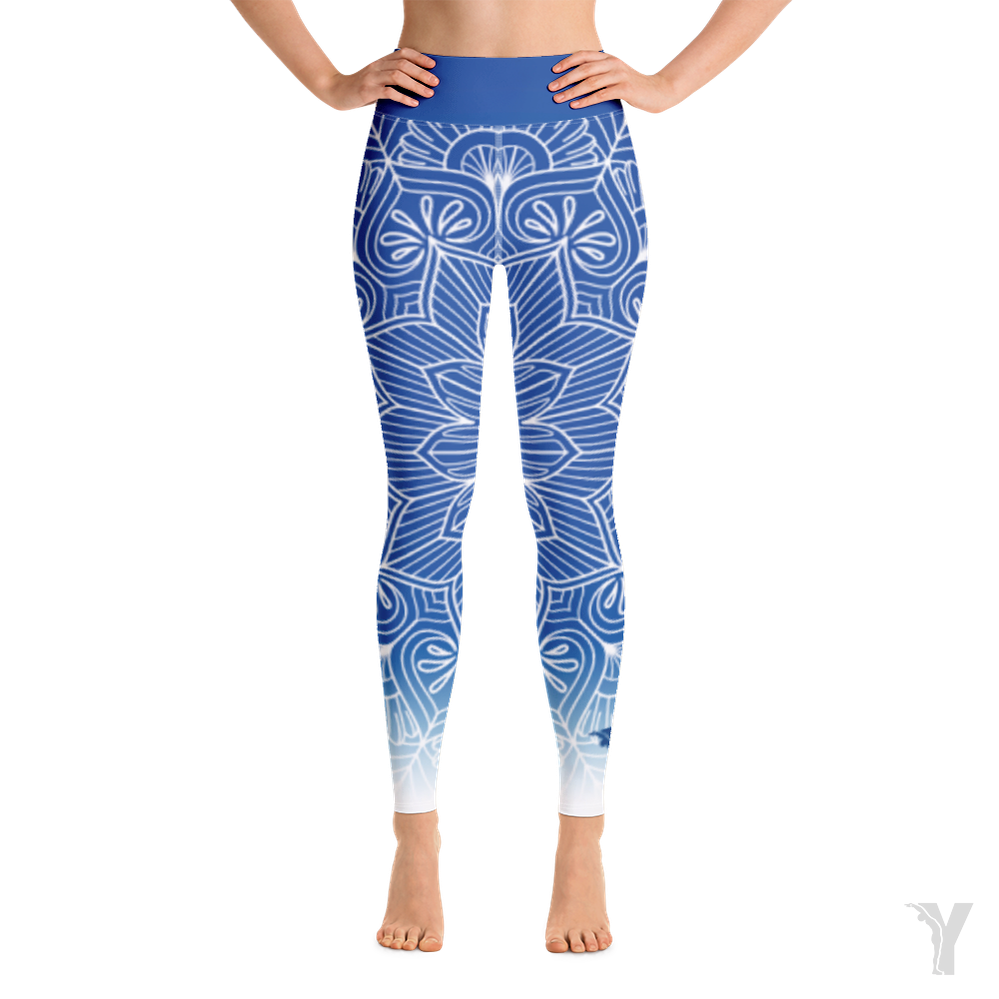
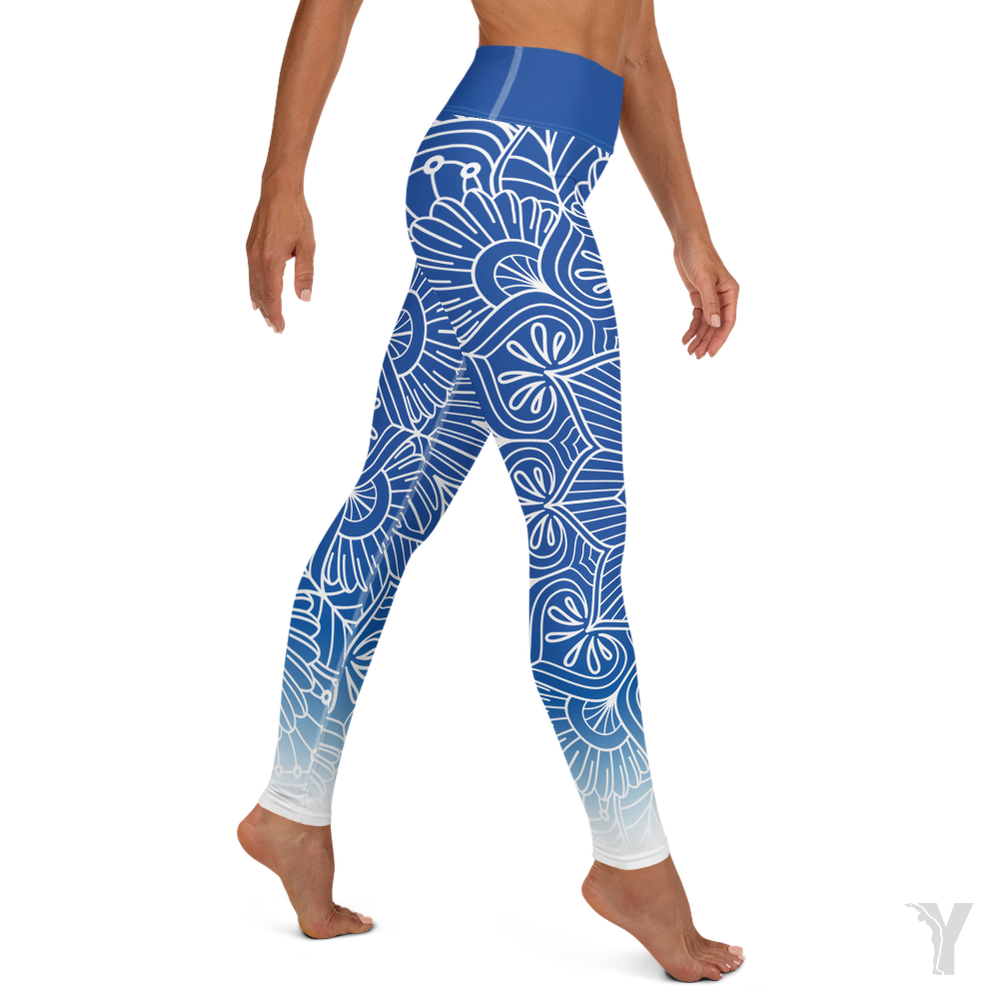
For the most comfortable practice, consider getting yourself comfortable leggings for your practice. And for more casual training days, our Downward-Facing Dog sweatshirt is for you!