
Aerial Yoga: Discovering an innovative practice
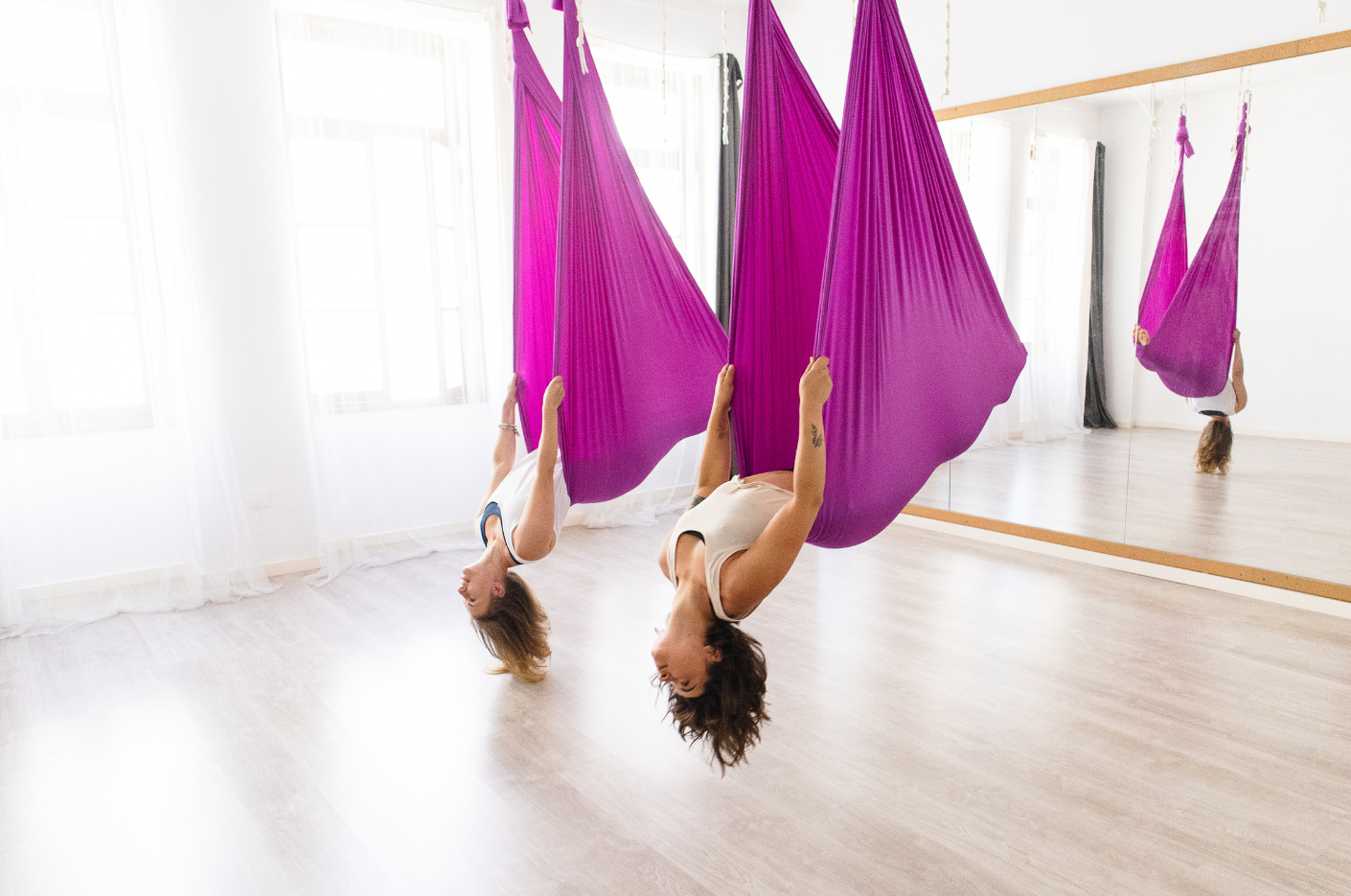
Among the many styles of yoga, one is gaining increasing popularity: aerial yoga (or fly yoga); this discipline combines traditional yoga postures with acrobatic movements in suspension.
Using a fabric hammock suspended from the ceiling, this practice offers a new approach to physical and mental well-being.
In this article, we invite you to discover the fundamentals of aerial yoga, the necessary equipment, how to practice, and how to integrate this discipline into your daily life.
In the podcast "Le yoga quoiqu'il en coûte," we interview Natacha about her journey and fly yoga - find her interview here 🎤️
What is aerial yoga?
Aerial yoga, also known as fly yoga or anti-gravity yoga, is a modern form of yoga that uses a fabric hammock as its main tool.
The hammock provides support for performing complex postures, deep stretches, and inversions safely. This practice, created in 2009 by Christopher Harrison, a dancer and gymnast, combines traditional yoga postures with elements of gymnastics and aerial dance. In 2009, Florie Ravinet, a French woman, contributed to its development in France by collaborating with physiotherapists to create "Fly Yoga."
Contrary to some misconceptions, aerial yoga is accessible to everyone, even beginners and children aged 3 and above. No prior experience in traditional yoga is necessary. Classes can be adapted to different levels, allowing for step-by-step progression.
However, it is not recommended for pregnant women, individuals weighing over 120 kg, and those suffering from cervical pathologies.
Differences from traditional yoga
Unlike traditional yoga practiced on a mat on the ground, aerial yoga adds a three-dimensional dimension to the practice. The hammock allows for gravity-defying movements, facilitating inversions and reducing pressure on joints. This approach engages stabilizing muscles, improves body alignment, and develops proprioception, thus offering a unique and enriching experience. Being airborne changes the relationship with the body and space, allowing for a diversified perspective and clearing the mind.
The benefits of aerial yoga are numerous. Physically, this practice strengthens muscles, improves flexibility, and stimulates blood circulation. Inversions, made more accessible by the hammock, decompress the spine and relieve tension. Mentally, aerial yoga reduces stress, improves concentration, and boosts self-confidence. The sensation of floating provides deep relaxation and an incomparable feeling of freedom.

Necessary equipment
Introduction to the yoga hammock
The yoga hammock is the central element of aerial yoga practice. It is made of strong, elastic fabric, capable of supporting body weight while offering optimal comfort. This hammock is fixed to the ceiling using robust hooks or straps, ensuring safe practice.
Depending on the asanas, the use of the hammock changes, either unfolded or used like a rope, much like a mat; you will develop a special relationship with this accessory.
Other essential equipment and accessories
In addition to the hammock, a few accessories can enhance your aerial yoga practice. These include yoga mats for better grip on the floor, yoga blocks for extra support during postures, and straps to aid stretching. Comfortable and fitted clothing is also recommended to allow optimal freedom of movement.
Tips for choosing your equipment and outfit
When purchasing your aerial yoga equipment, prioritize quality and safety. Make sure the hammock is made of durable fabric and that the hooks and straps are robust and securely fastened. Also, check the weight recommendations and installation instructions provided by the manufacturer. Don't hesitate to consult online reviews and ask for advice in specialized shops or from experienced practitioners.
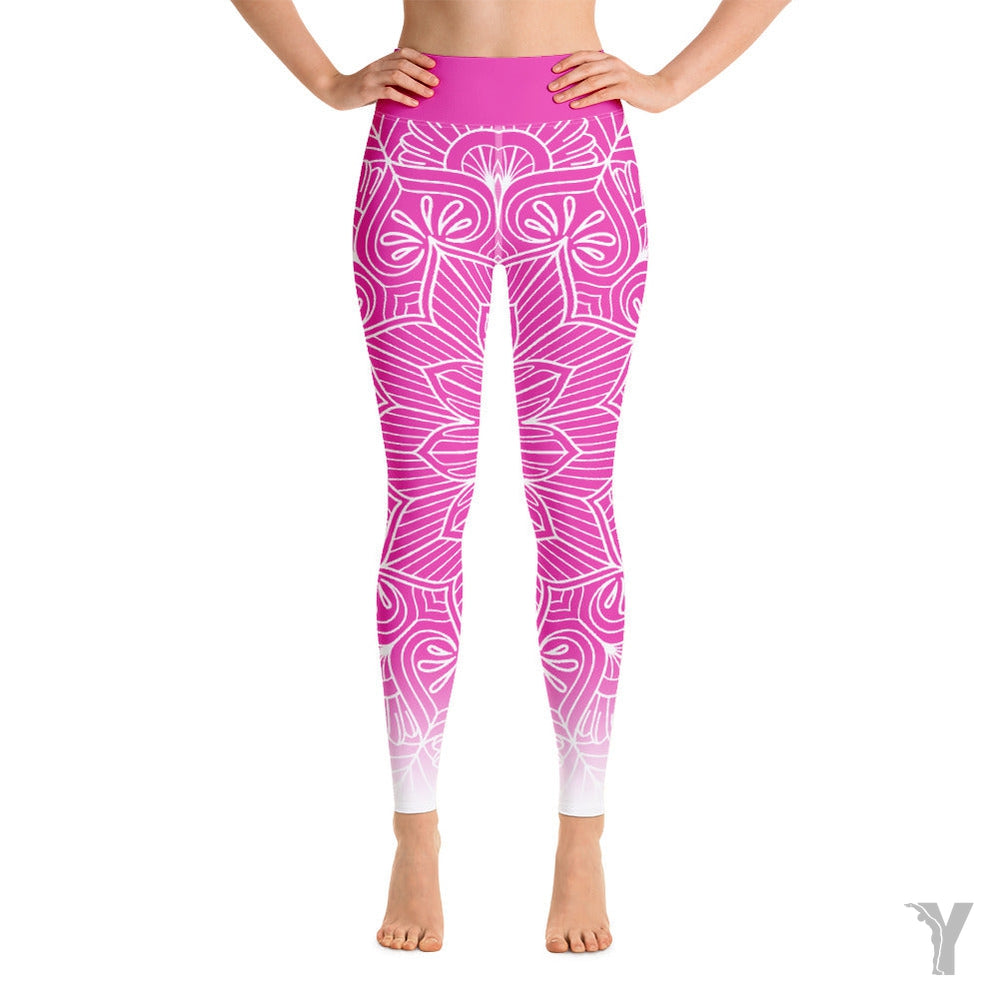
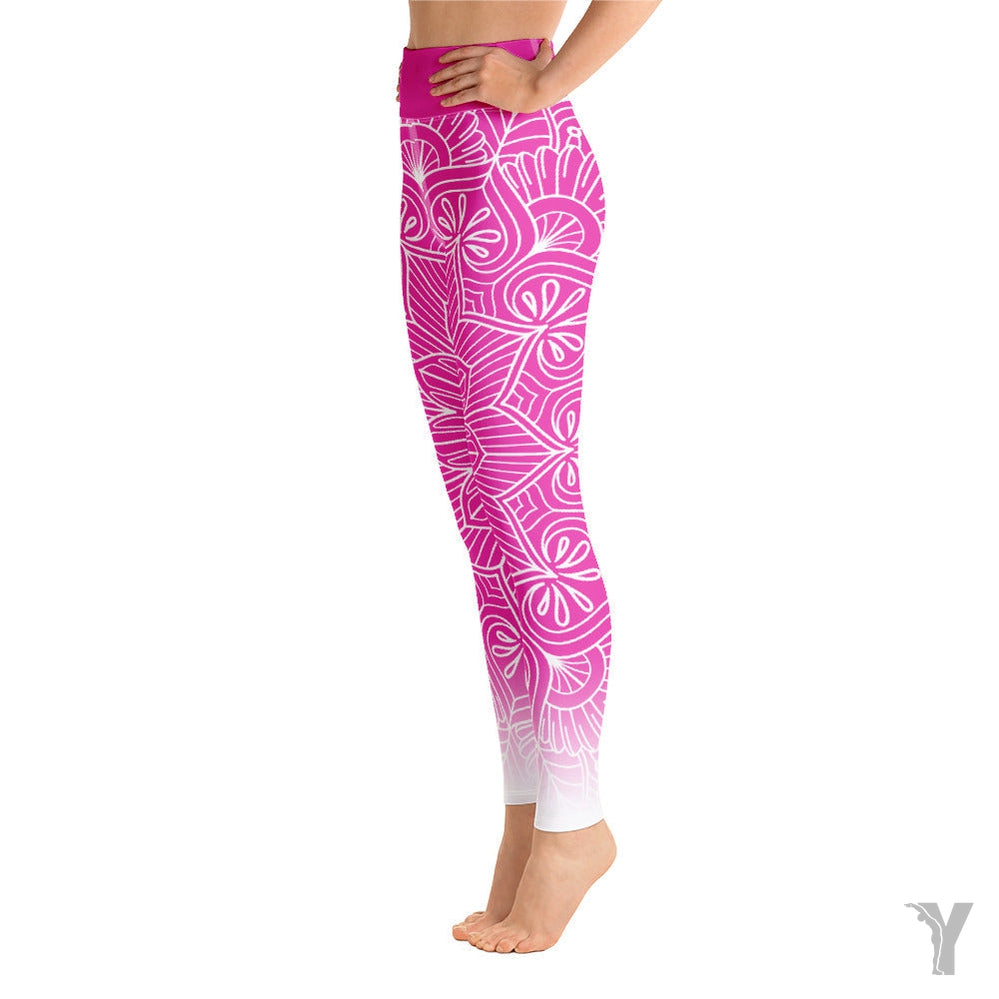
For an aerial yoga session, it is advisable to wear close-fitting leggings and a fitted t-shirt or tank top. Long hair should be tied back, and for women, a suitable sports bra is recommended for good breast support.
Practicing aerial yoga
Where to practice: specialized studios vs. at home
Aerial yoga can be practiced in specialized studios or at home. Studios offer a safe environment with qualified instructors to guide beginners. Practicing at home requires adequate installation and a good understanding of basic postures. It is recommended to start in a studio before venturing out on your own.
Precautions to take to avoid injuries
Like any physical activity, aerial yoga requires certain precautions. Warm up properly before each session to prepare your muscles. Practice on a stable surface and ensure your equipment is well installed. Listen to your body and avoid abrupt movements or uncomfortable postures. If you feel pain, stop immediately and consult a professional if necessary.
Basic postures for beginners
To get started with aerial yoga, here are some simple postures to try:
- Child's Pose (Balasana) in suspension: seated in the hammock, knees bent under you, arms stretched forward.
- Plank Pose (Phalakasana) in suspension: feet in the hammock, hands on the ground, body aligned in a plank.
- Bat Pose (Viparita Karani) in suspension: hips supported by the hammock, head down, arms relaxed towards the ground.
These basic postures will help you familiarize yourself with the hammock and gain confidence before moving on to more advanced movements.

Integrating aerial yoga into your daily life
How aerial yoga can improve your daily routine
Aerial yoga can transform your daily routine by offering a new approach to well-being. Regular practice helps relieve accumulated tension, improve posture, and increase flexibility. Mental benefits, such as stress reduction and improved concentration, can also enhance your quality of life.
Combining aerial yoga with other types of yoga or physical activities
Aerial yoga can be combined with other types of yoga or physical activities for a more complete practice. For example, you can alternate between floor yoga sessions and suspended sessions to work on different aspects of your body. Aerial yoga also pairs well with activities like Pilates or dance, thus offering a variety of movements and exercises.
In summary, aerial yoga is an innovative practice that combines the benefits of traditional yoga with acrobatic movements in suspension. Through this discipline, you can improve your strength, flexibility, and mental well-being. Transform your routine and feel the unique benefits of aerial yoga today!
Aerial yoga is one of the innovative yoga styles that enrich the large yoga family — discover our guide to explore them all.