
Dandayamana Dhanurasana: Master the Standing Bow Pose for Well-Being
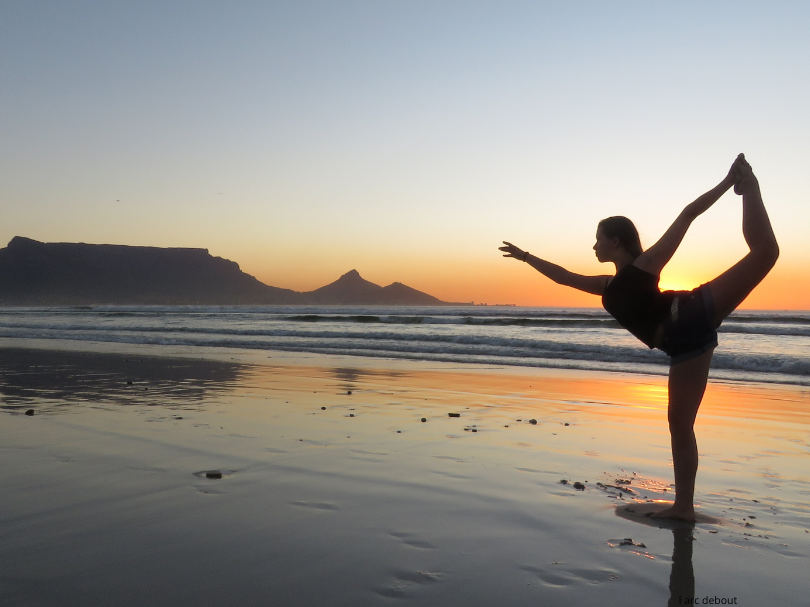
The standing bow pose, Dandayamana Dhanurasana, is one of Bikram Yoga's gems. Bold and graceful, it combines strength, flexibility, and focus. Ready to embark on this vertical adventure? Let's go!
Origin and Meaning of Dandayamana Dhanurasana
-
Sanskrit Etymology:
-
Dandayamana means "standing on the staff (stick)".
-
Dhanurasana evokes the bow, a symbol of tension and power.
-
-
Yogic Symbolism:
The pose represents controlled tension — between the staff of balance and the bow that recalls the latent energy within you.
How to practice the pose step-by-step
-
Preparation:
-
Warm up your legs, hips, and shoulders.
-
Get into Mountain Pose (Tadasana), firmly grounded.
-
-
Placement:
-
Inhale, lift one leg by bending the knee and grasp your foot with the hand on the knee side.
-
The foot should come behind the head, shoulders pulling slightly back.
-
-
Stabilization:
-
Lifted foot vertical, leg well aligned.
-
Rest on the grounded leg, activate the triceps of the other arm.
-
Look straight ahead, your gaze fixed on one point.
-
-
Breathing:
-
Hold for 5 to 10 slow, conscious breaths.
-
Lower down on the exhale, then switch sides.
-
Physical and Mental Benefits
-
Strength and Tone: strengthening of quadriceps, hamstrings, calves, abs, and back muscles.
-
Increased Flexibility: opening of the shoulders, hips, and chest.
-
Mental Stability: focus, grounding, and self-confidence.
-
Radiant Demeanor: proud posture, solar plexus release = guaranteed energy boost!
Common Mistakes and How to Correct Them
Dandayamana Dhanurasana is a journey — a bow stretched between strength and relaxation. With practice and kindness, it develops your body, mind, and presence. So, go for it. Your inner bow is ready to carry you!