
Yoga for beginners: clothing and accessories to get started
You've decided to take up yoga – excellent decision. But before you sweat and namaste your way through your first session, one question inevitably arises: what do I wear? And more importantly: do I need any special equipment to get started?
The good news: yoga is one of the most accessible sports there is. No need to invest in expensive gear for your first few sessions. This guide gives you the essentials – and only the essentials – to get started with peace of mind.
1. Yoga attire for beginners: comfort first and foremost
The golden rule for a beginner yoga outfit: absolute comfort. You'll be bending, stretching, lying down, inverting – your outfit must move with you without hindering or distracting you.
Yoga leggings: essential
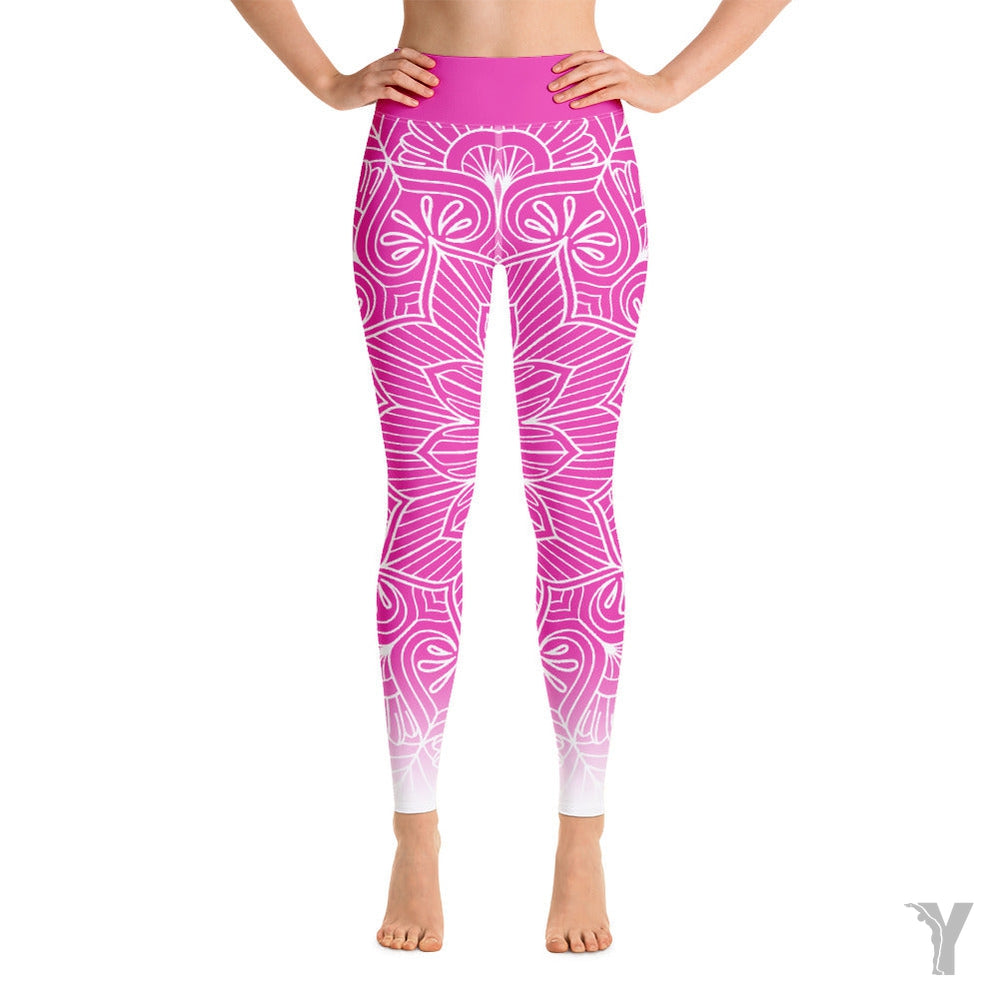
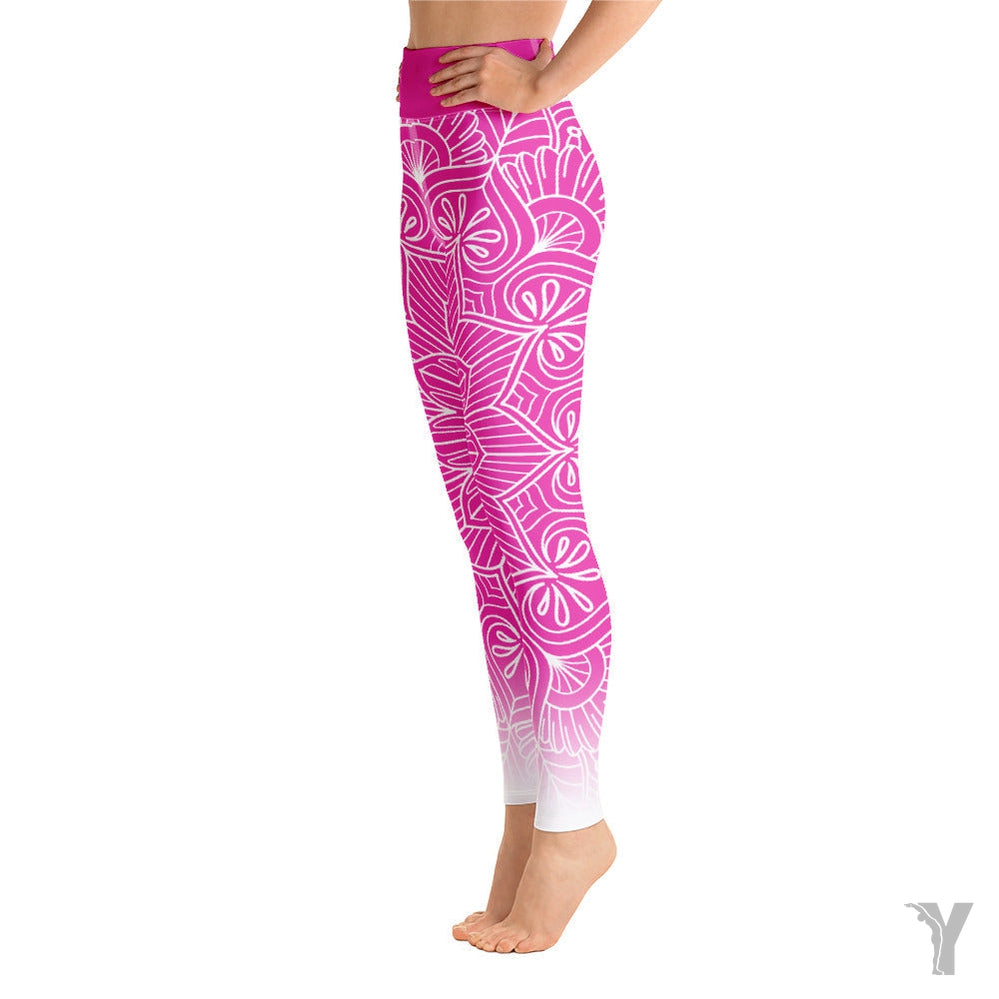
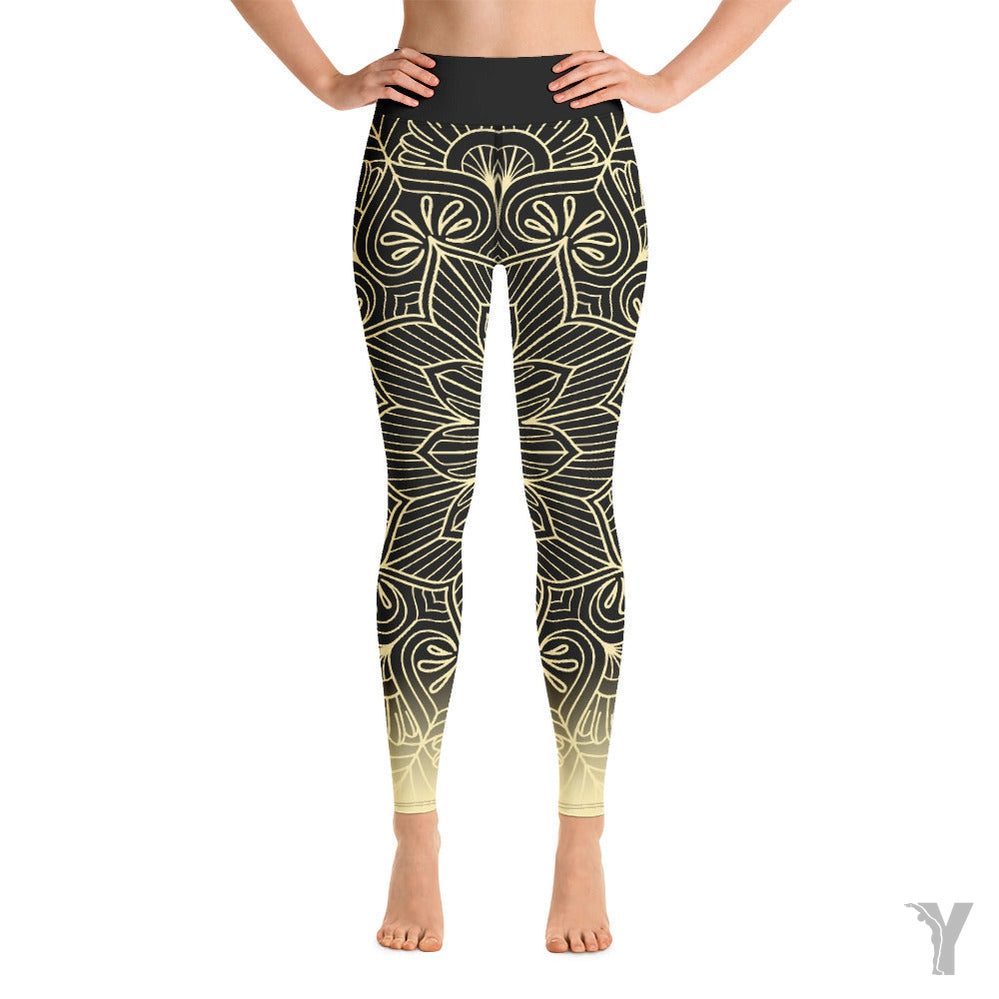
Women's yoga leggings are the central piece. Unlike running or fitness leggings, they are designed for maximum stretch in all directions. Opt for a high-waisted model (it stays in place during inversions) and made from recycled polyester (breathable, quick-drying, eco-responsible).
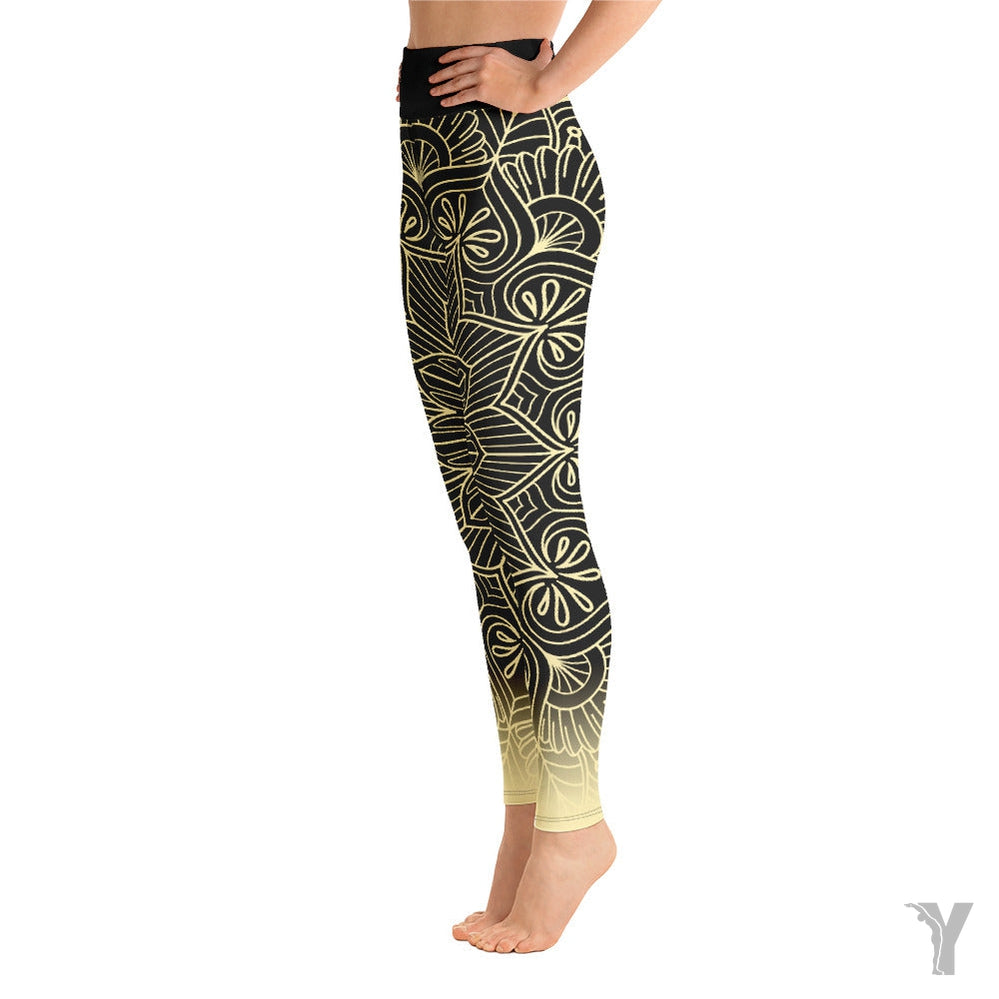
For your first sessions, dark or plain colored leggings are practical: they don't show sweat and remain versatile.
The sports bra or yoga top
For the top, a racerback yoga bra offers the best support without restricting breathing. In summer or for hot yoga, it can be worn alone. In winter, pair it with a light t-shirt or an organic cotton hoodie.
What to avoid
- Clothing that is too loose and falls over your face in head-down postures
- Pure cotton (heavy and damp as soon as you sweat)
- Buttons, zippers, or hard elements that can hurt you on the mat
- Shoes – yoga is practiced barefoot on the mat
✦ The ideal outfit to start
Recycled polyester yoga leggings, bras, and shorts – made on demand, eco-responsible.
2. The yoga mat: your only real investment
For your first studio sessions, the mat is often provided. But if you plan to practice regularly or at home, a personal yoga mat is the only equipment you really need to buy.
Essential criteria: non-slip (especially in vinyasa or during downward-facing dog sequences), 4 to 6 mm thickness (a compromise between comfort and stability), and eco-friendly material (cork, natural rubber, or recycled TPE).
3. Useful (but optional) accessories for beginners
The yoga bag
To carry your mat, clothes, and water bottle to the studio, a practical bag quickly becomes essential. The yoga fanny pack is ideal for your essentials (phone, keys, wallet) during the session: compact, it can be worn around the waist or across the body without being cumbersome.
The block and strap
The yoga block (often made of cork or foam) is invaluable for beginners: it allows you to modify postures without forcing, by bringing the floor closer to you in forward folds. The strap is useful for stretching postures where your hands can't yet meet.
Good news: most studios provide them. You don't need to buy your own from the first session.
The insulated water bottle
Hydration is essential, especially in dynamic yoga. An insulated water bottle keeps your water cool throughout the session. Avoid disposable plastic bottles – yoga and eco-responsibility go hand in hand.
4. Choosing the right yoga style to start
There are dozens of yoga styles. For beginners, here are the three most accessible:
- Hatha yoga: the gentlest and most common. Postures held for a long time, conscious breathing. Ideal for understanding the basics.
- Vinyasa yoga: sequences of postures in rhythm with the breath. More dynamic, excellent for cardio and flexibility.
- Yin yoga: passive postures held for 3 to 5 minutes. Deep work on the fascia and mental relaxation. Perfect for the evening.
5. Common mistakes to avoid as a beginner
- Wanting to go too fast: yoga is not a competition. The important thing is to be in the posture, not to do the most advanced version.
- Holding your breath: breathing is the heart of yoga. If you block it, it's often a sign that you're forcing too much.
- Comparing your practice to others: every body is different. Someone who has been practicing for 10 years has had 10 years of sessions to get there.
- Skipping savasana: the final relaxation pose is not optional. This is where the body integrates the work of the session.
Start where you are, with what you have. A comfortable pair of leggings, a mat, and a sincere intention – that's all you need to discover what yoga can bring you.
Ready to get started? Explore the YOFE yoga outfit collection – eco-responsible clothing that will accompany you session after session.