
Bamboo clothing: what you need to know...
Bamboo yoga clothing is often presented as an ecological and sustainable alternative to traditional textiles. However, it is crucial to distinguish between the different types of bamboo textiles to understand their real environmental impact. Bamboo viscose, widely used in the textile industry for its softness and supposed antibacterial properties, raises serious ecological concerns.
The hidden side of bamboo viscose
Bamboo viscose requires a complex and highly polluting manufacturing process. To transform bamboo into a soft, supple fiber, it must first be dissolved with caustic soda, then treated with sodium sulphates and sulphuric acid 😯 These intensive chemical steps have a considerable environmental impact, making the production of bamboo viscose anything but ecological.
Recognizing eco-responsible bamboo textiles
However, there are more environmentally friendly alternatives among bamboo textiles. Some garments are made from natural bamboo fibers, not processed into viscose. These textiles are generally more expensive due to their more complex and environmentally friendly production process. To justify this higher price, manufacturers often provide details about the production methods used. Unlike bamboo viscose, which is very soft, natural bamboo fiber has a rougher texture and is often blended with cotton or other textiles to improve comfort.
Towards more ecological bamboo viscose?
The good news is that the textile industry is evolving. Rumors indicate that some companies are currently working to develop a more ecological version of bamboo viscose. Although no solution has yet been widely adopted, the hope is that a revised, less polluting bamboo viscose may soon be available on the market.
While examining the appearance of fibers and manufacturing processes, it is also essential to consider the primary source of these textiles: bamboo itself. Although bamboo may seem like an ideal renewable resource due to its rapid growth and ability to thrive without pesticides or fertilizers, its exploitation as a monoculture poses other significant environmental problems.
The impact of bamboo monoculture
When bamboo is grown in monoculture, i.e., when a single species is planted over vast tracts of land, it can have detrimental consequences for the environment. This practice reduces biodiversity, depletes soil nutrients, and can lead to water quality degradation due to erosion. Moreover, although bamboo can grow in a variety of conditions, the conversion of diverse lands into bamboo monocultures can result in the loss of natural habitats for many species.
Monoculture vs. sustainable management
The solution to this problem lies in the sustainable management of bamboo crops. This involves diversifying crops, practicing crop rotation, and maintaining natural forest areas to preserve biodiversity. Such practices not only help maintain the health of ecosystems but can also improve the quality and sustainability of bamboo harvests in the long term.
What can the consumer do?
As a consumer, you have the power to encourage positive change through your purchasing choices. Look for brands and products that are committed to a more sustainable approach to bamboo cultivation. This can include companies that support biodiversity, use responsible and transparent harvesting methods, and take steps to reduce their environmental impact at every stage of production.
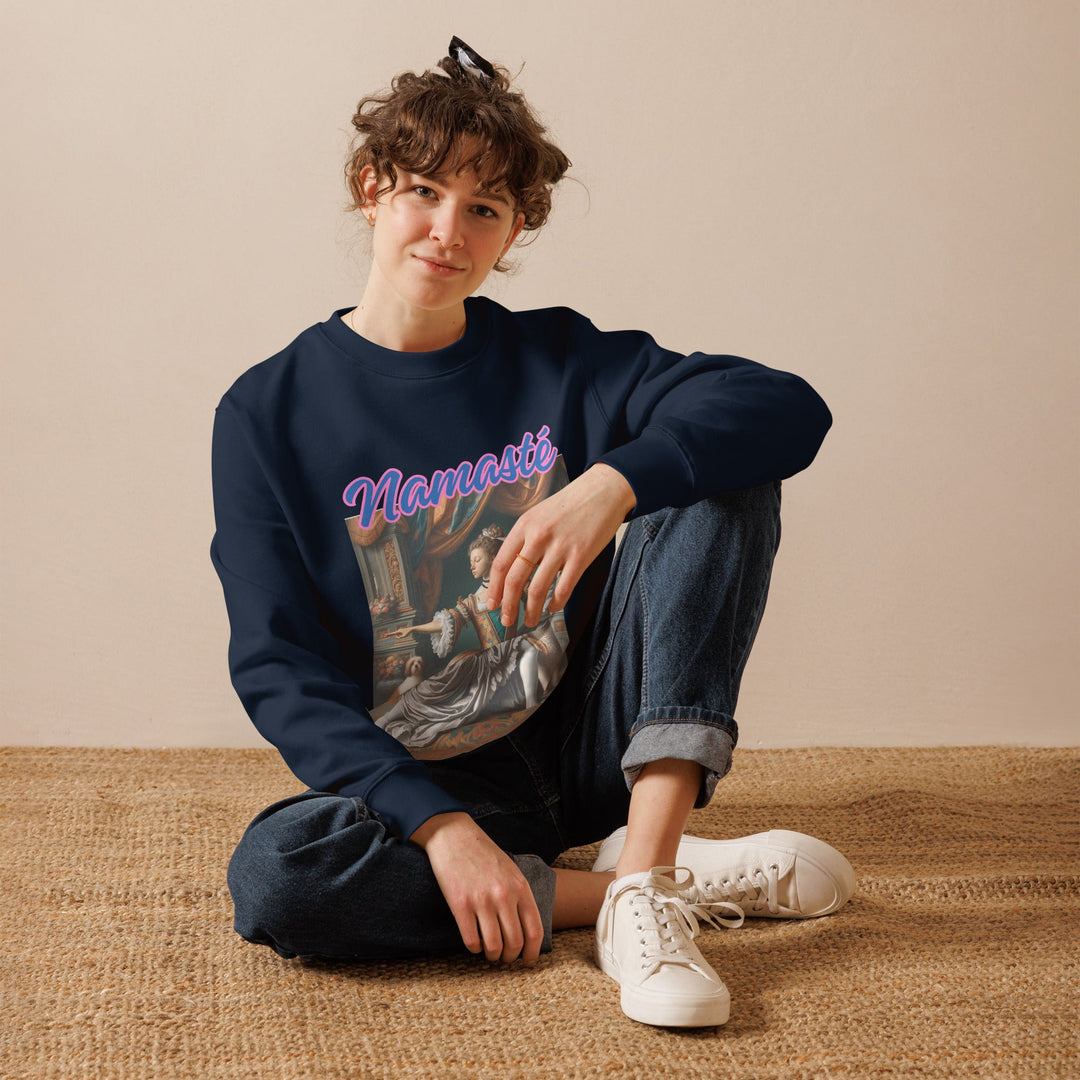
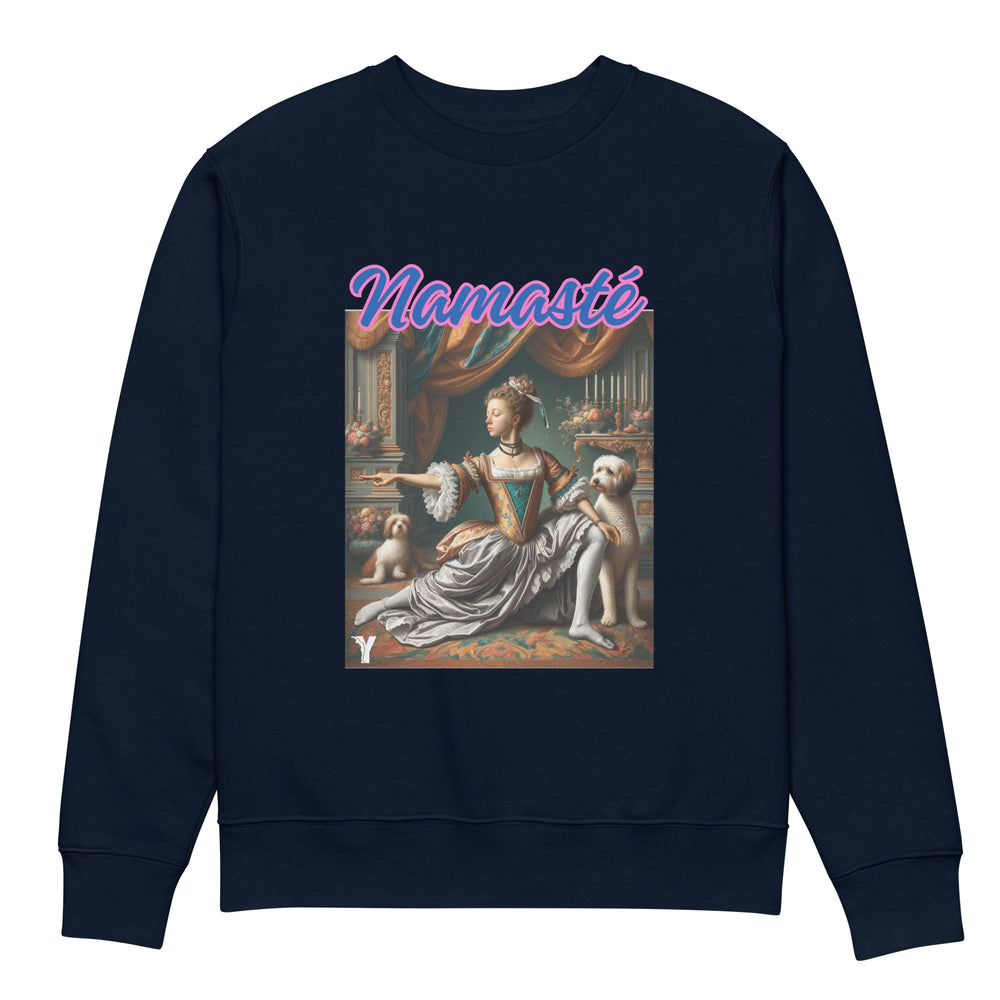
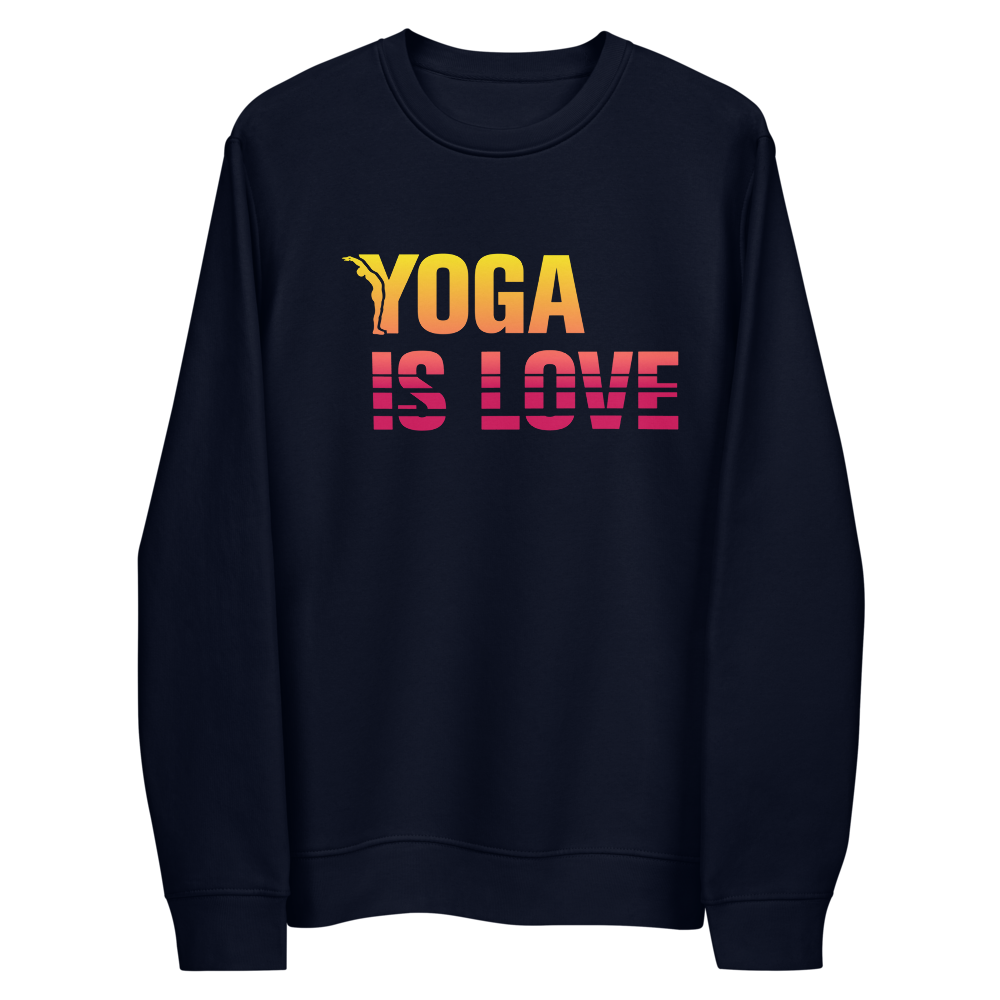
At Yofe, we offer eco-certified yoga outfits, made from GOTS organic cotton and recycled polyester, without bamboo viscose. Discover our organic cotton T-shirts, our eco-responsible organic cotton sweatshirts — including the famous All You Need Is Yoga Sweatshirt — for a truly committed yoga wardrobe.
In conclusion
When choosing bamboo yoga clothing, it is essential to check the label to understand what type of fiber it is. Opt for natural bamboo fiber textiles if you are looking for a truly ecological option. Pay attention to the information provided by manufacturers on their production practices, and stay informed about innovations in bamboo textiles. By making informed choices, you contribute to promoting a more sustainable fashion industry that respects our planet.