

What is somatic exercise?
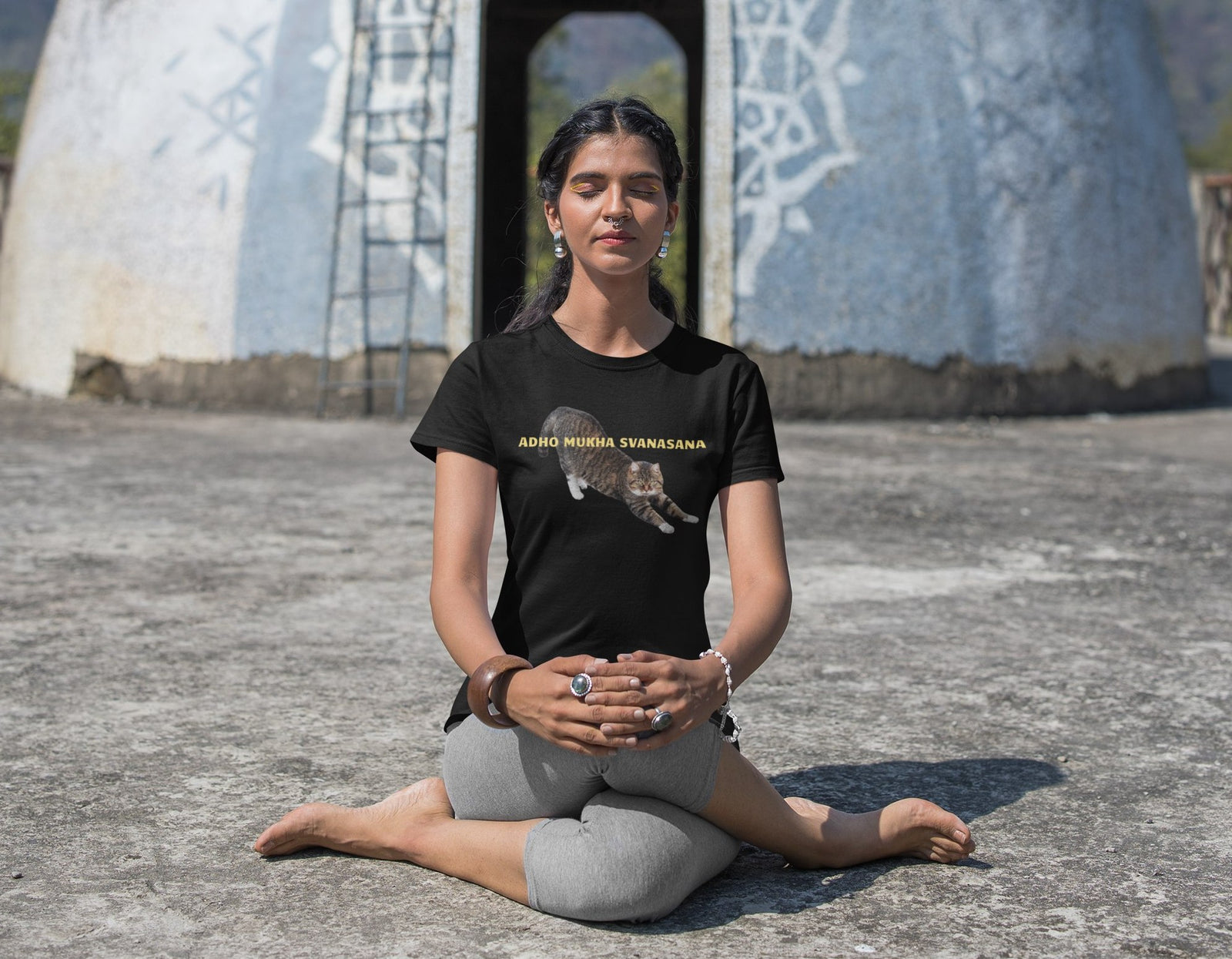
The somatic workout, or somatic training, is an approach to physical exercise that emphasizes internal body sensations, self-awareness, and conscious movement. Originating from body rehabilitation practices, it integrates elements of yoga, dance, and gymnastics, aiming to improve the mind-body connection.
The origin of somatic education dates back almost a century, primarily in Europe. It was founded by innovators such as Mathias Alexander, who, faced with the loss of his voice, discovered the importance of reducing muscle tension and changing his mindset to regain his vocal abilities.
Moshe Feldenkrais, for his part, relearned to walk by becoming aware of his movements and sensations. In the 1970s, Thérèse Bertherat popularized a method of body self-rehabilitation, marking the beginning of a diversification of somatic practices. These approaches, developed by individuals seeking solutions to their specific physical problems, eventually gained popularity and official recognition, influencing fields requiring great bodily finesse such as dance, theater, and singing.
The principles of somatic exercises
The fundamental principles of somatic workout include:
- body awareness,
- fluid movement,
- and nervous system re-education.
By focusing on breathing and mental presence, this practice encourages active listening to the body to detect and release tension.
The benefits of "somatic workout"
This method offers numerous benefits, such as improved flexibility, muscle strength, stress reduction, and better emotional management. It also contributes to healthier posture and can reduce chronic pain by teaching the body new ways of moving.
Within the framework of somatic workout, various exercises can be practiced, ranging from gentle and thoughtful movements to dynamic sequences integrating yoga postures. The objective is to increase somatic awareness, i.e., the internal perception of the body, through these activities.
Somatic exercise and yoga: a beneficial synergy
Integrating somatic exercises into yoga creates a beneficial synergy by enhancing body awareness and improving fluidity of movement. This combination enriches yoga practice by allowing for a deeper exploration of asanas through sensation and listening to the body.
For example, postures like Tadasana (Mountain Pose) or Vrikshasana (Tree Pose) can be approached somatically, by focusing on the grounding of the feet, the distribution of weight, and the sensation of vertical growth, thereby promoting increased mental presence and a deeper inner connection.
These somatic practices not only help to perform postures with more attention and precision but also encourage an inner dialogue that guides towards a state of global well-being.
Of course, practicing conscious breathing helps deepen relaxation, improve concentration, and strengthen mental presence during exercise, thus maximizing the benefits of each movement and posture.
Conclusion
The somatic workout is a powerful practice for those seeking to improve their physical and mental well-being through a more conscious and integrated approach to movement. By incorporating it into their yoga routine, one can discover new ways to inhabit their body and harness its healing potential.
To deepen your practice, explore our complete guide on somatic yoga and its benefits.