
When and why to start prenatal yoga?
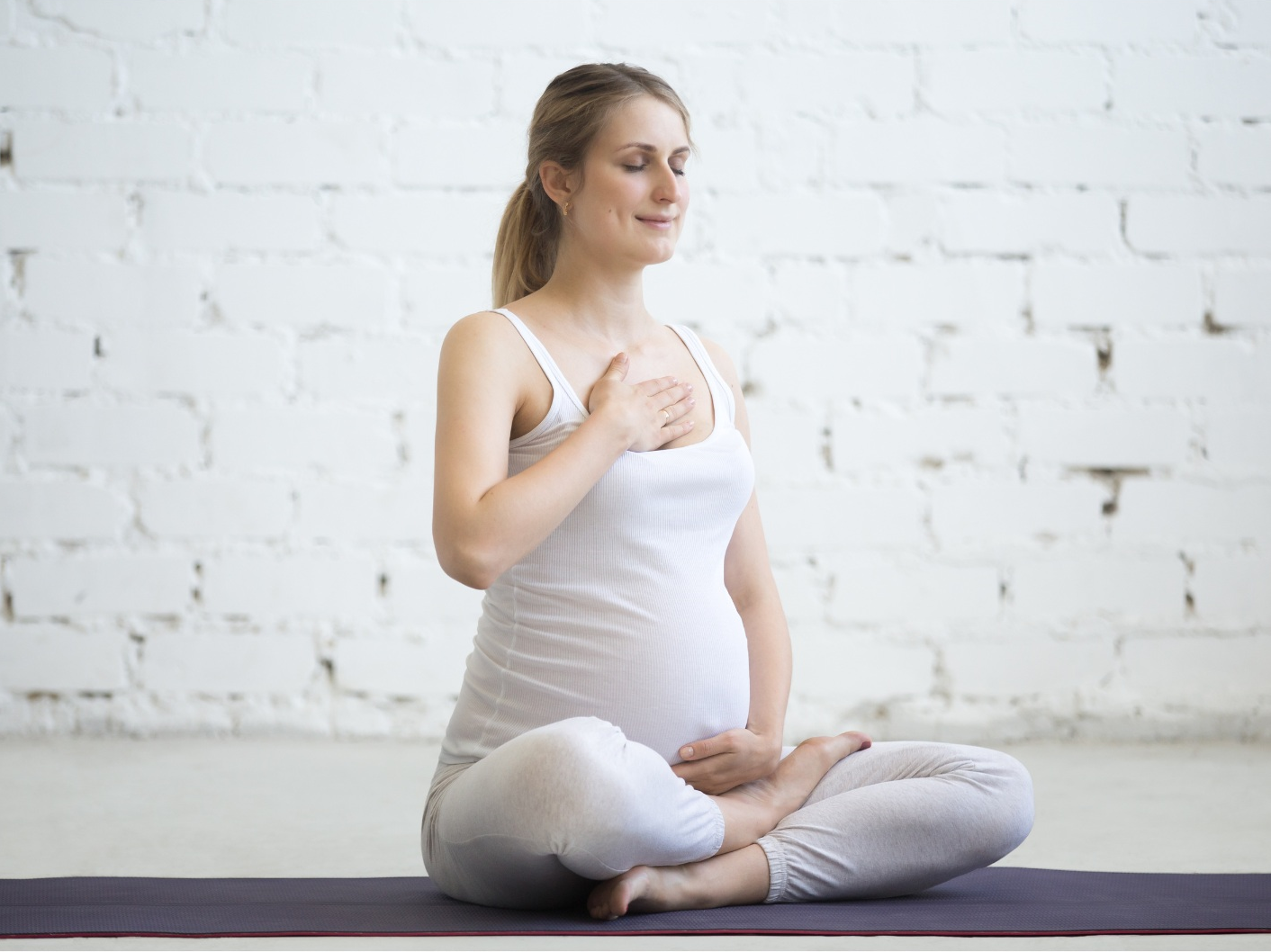
Pregnancy is an extraordinary time in a woman's life, marked by many physical and emotional changes. During this phase, it is essential to maintain appropriate physical activity and to find ways to relax and connect with your body and your future baby. Prenatal yoga is a perfect practice to meet these needs.
This article will guide you through the many benefits of prenatal yoga, recommended postures, precautions to take, and how to integrate this discipline into your daily routine for a serene and harmonious pregnancy.
What is prenatal yoga?
Prenatal yoga is a specific form of yoga designed for pregnant women. Unlike traditional yoga, it focuses on postures and breathing techniques that are safe and beneficial for expectant mothers. Prenatal yoga is an adaptation of traditional postures to meet the specific needs of women during the different stages of their pregnancy.
Historically, yoga originated in India, over 5,000 years ago. Prenatal yoga, although a modern practice, draws inspiration from these ancient techniques to offer a gentle and conscious approach to physical and mental exercise. Prenatal yoga sessions often include elements of meditation and relaxation, in addition to physical exercises, to help women prepare for childbirth and motherhood.
The benefits of prenatal yoga
Prenatal yoga offers many benefits for the physical and mental health of expectant mothers. Here are some of the main benefits of this practice:
Improved flexibility and muscle strength
During pregnancy, the body undergoes many changes, particularly in terms of posture and balance. Prenatal yoga helps maintain and improve the flexibility of muscles and joints, especially in the pelvic area, hips, and lower back. Specific postures also strengthen the muscles needed to support the baby's increasing weight and prepare the body for childbirth.
Reduction of pregnancy-related pain
Lower back pain, pelvic pain, and muscle cramps are common discomforts during pregnancy. Prenatal yoga exercises are designed to alleviate these discomforts by stretching and strengthening affected muscles. For example, postures that open the hips and stretch the back can greatly relieve back pain.
Improved breathing and blood circulation
Breathing is a key element of prenatal yoga. The deep breathing techniques taught in yoga classes help increase oxygen intake, which is beneficial for both mother and baby. Furthermore, improved blood circulation can reduce swelling and feelings of heavy legs, which are common during pregnancy.
Reduced stress and anxiety
Pregnancy can be a stressful time, filled with many concerns and hormonal changes. Prenatal yoga incorporates meditation and relaxation practices that help calm the mind and reduce anxiety. These relaxation techniques can also be very useful during labor and childbirth.
Strengthening the bond with the baby
Prenatal yoga offers a unique opportunity to connect with your baby. Yoga sessions encourage expectant mothers to focus on their bodies and be attentive to their baby's movements. This strengthened connection can improve the mother's emotional well-being and foster a sense of closeness with her unborn child.
Recommended postures in prenatal yoga
Prenatal yoga offers many postures adapted to the different stages of pregnancy. Here are some of the most commonly recommended postures and their benefits:
Cat and Cow Pose (Marjaryasana and Bitilasana)
These postures are ideal for loosening the spine and relieving tension in the back. To perform these postures, start on all fours, aligning your wrists under your shoulders and your knees under your hips. As you inhale, gently arch your back (cow pose) and as you exhale, round your back like a cat. Repeat these movements several times, synchronizing with your breath.
Butterfly Pose (Baddha Konasana)
Butterfly pose is excellent for opening the hips and stretching the inner thighs. Sit with a straight back and bring the soles of your feet together, knees bent and falling to the sides. Grasp your feet with your hands and gently pull them towards you while pushing your knees towards the floor. Hold the pose while breathing deeply.
Child's Pose (Balasana)
This pose provides a gentle stretch for the back and hips while promoting relaxation. Kneel down, sit on your heels, then lean forward with your arms extended in front of you or along your body. Let your forehead rest on the floor and breathe deeply. This pose can be particularly soothing after a tiring day.
Adaptations and modifications according to the trimester of pregnancy
It is important to adapt yoga postures according to the trimester of pregnancy to ensure safety and comfort. Here are some recommendations for each trimester:
First trimester
- Focus on gentle postures and avoid inverted positions.
- Listen to your body and rest if you feel tired or nauseous.
- Practice deep breathing techniques to improve blood circulation and reduce stress.
Second trimester
- Take advantage of renewed energy to practice postures that strengthen back and leg muscles.
- Use props such as cushions and blocks to support postures.
- Avoid postures that involve lying on your back for an extended period.
Third trimester
- Focus on postures that open the hips and prepare the body for childbirth.
- Practice breathing and relaxation exercises to reduce anxiety.
- Avoid postures that put too much pressure on the belly and use supports for sitting and lying postures.
Precautions and contraindications with prenatal yoga
While prenatal yoga is generally safe, it is essential to take certain precautions to avoid complications. Here are some tips for practicing prenatal yoga safely:
- Always consult a healthcare professional before starting a new exercise routine. Every pregnancy is unique, and it is important to get personalized advice.
- Practice with a teacher who is truly proficient in prenatal yoga. It happens that some teachers improvise as prenatal teachers without a diploma, so be vigilant when attending a class.
- Avoid postures that compress the abdomen or put excessive pressure on the belly. Prefer gentle and controlled movements. (a certified teacher will be able to give good advice)
- Hydrate well and take regular breaks to rest if necessary.
- Listen to your body and never force a posture if you feel pain or discomfort.
- Practice in a safe and comfortable environment, ideally under the supervision of a qualified prenatal yoga instructor.
Integrating prenatal yoga into your daily life
Prenatal yoga can be flexibly integrated into your daily routine, whether you are at home or prefer to attend in-person classes. Here are some tips to help you get started:
Finding a suitable class
Searching for specialized prenatal yoga classes is an excellent way to ensure that the exercises are adapted to your needs. You can find online or in-person classes. Online classes offer the flexibility to practice at your own pace, while in-person classes allow for direct interaction with the instructor and other expectant mothers.
In any case, make sure the teacher has the skills and qualifications to teach prenatal yoga.
you can find Pablo's interview, a prenatal yoga teacher, who talks about this discipline in an episode of Yoga Quoiqu'il en Coûte.