
The Serpent in Yoga: A Symbol of Power, Transformation and Spiritual Awakening
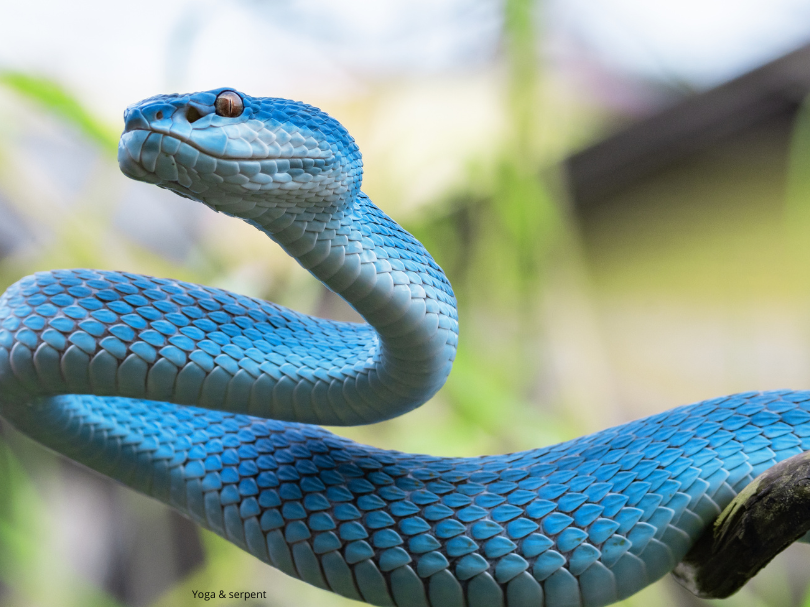
In yoga, symbols play a fundamental role in understanding spiritual and energetic teachings. Among them, the serpent holds a central place, embodying powerful concepts such as transformation, healing, and spiritual awakening. Whether through Kundalini, a term often associated with the serpent, or in iconic poses like Bhujangasana (Cobra Pose), this symbol is omnipresent in yoga practice.
In this article, let's delve into the meaning of the serpent in yoga and discover why it continues to inspire practitioners worldwide.
The Serpent and Kundalini: The Dormant Spiritual Energy
The concept of Kundalini is perhaps the most famous association of the serpent with yoga. In Sanskrit, Kundalini literally means "coiled," referring to the image of a serpent coiled at the base of the spine. According to yogic philosophy, Kundalini represents a dormant spiritual energy, coiled at the base of the spine, waiting to be awakened.
What is Kundalini Awakening? Kundalini awakening is considered one of the key moments on the spiritual path. When this energy awakens, it rises along the spine through the chakras, or energy centers, to the crown of the head (the crown chakra). This ascent is often associated with higher states of consciousness, increased self-awareness and awareness of the world, and a deep sense of spiritual connection. We have an article that explains Kundalini yoga in more detail.
Why a serpent? The serpent is a perfect symbol to represent this energy due to its ability to shed its skin and regenerate. In the same way, Kundalini awakening symbolizes a process of transformation and spiritual rebirth. The coiled serpent represents infinite potential, ready to unfold to awaken the individual to their true nature.
Women's Collection
Eco-friendly yoga attire ✨
Leggings, sports bras, and shorts — made to order in Europe.
Discover the collection →The Serpent as a symbol of transformation and healing
In many cultures, the serpent is a symbol of transformation. This comes from the serpent's ability to shed its skin, revealing a new one. This natural process is often seen as a metaphor for personal transformation, a central theme in yoga.
The serpent and shedding: A process of rebirth Just as a serpent sheds its skin to grow, yoga invites us to leave behind our old habits, limiting beliefs, and negative energies to evolve into a more authentic and fulfilled version of ourselves. Yoga practice, through postures, meditation, and pranayama (breathing exercises), can help us "shed" on a spiritual level.
The serpent and healing The serpent is also often associated with healing. In Greek mythology, the caduceus, a symbol of medicine, depicts two serpents coiled around a staff. Similarly, in yoga, the serpent symbolizes healing not only of the physical body but also of emotional and spiritual wounds. By connecting with the energy of the serpent, one can embark on a journey toward self-healing and inner balance.
Cobra Pose (Bhujangasana): A physical expression of the serpent
Cobra Pose, called Bhujangasana, is an iconic yoga posture that imitates the majestic raising of a serpent, ready to strike or defend itself. Physically, this pose is a backbend that strengthens the spine and opens the chest. But it goes far beyond the physical aspect.
Bhujangasana and heart opening When you practice Bhujangasana, you are invited to open your heart and anchor yourself firmly to the ground, just as a serpent extends and straightens with grace and power. This pose can symbolize the awakening of Kundalini, where energy begins to rise through the spine, bringing with it strength, vitality, and a new perception of self.
The symbolic aspect Taking the form of a cobra reminds practitioners that spiritual awakening requires deep rooting and a connection between the earth (our physical energy) and the sky (our spiritual energy). Bhujangasana is therefore a beautiful metaphor for this quest for balance.
Learn more about cobra pose
The Serpent in Yogic Mythology
In Hinduism, serpents are also important figures. For example, the god Vishnu is often depicted reclining on a giant, thousand-headed serpent named Shesha, floating peacefully on the cosmic ocean. This serpent symbolizes infinity, eternity, and stability.
Another example is the serpent Ananta, which means "endless," representing the cyclical nature of the universe, where every end is a new beginning. These symbols reinforce the idea that the serpent carries ancient and infinite wisdom, essential to understanding the great mysteries of life and spirituality.
How to Integrate the Serpent's Energy into Your Yoga Practice
Here are some ideas to invite the serpent symbol into your daily practice:
- Kundalini Meditation: Dedicate a moment to meditate on the rising of Kundalini energy through your chakras. Imagine the serpentine energy spiraling up through your body.
- Practice Serpent Poses: In addition to Bhujangasana, other poses like Salabhasana (locust pose) or Dhanurasana (bow pose) can strengthen your spine and energy center.
- Intention of Transformation: Use the serpent as a symbol of transformation. With each practice, leave behind what no longer serves you and welcome new opportunities for growth.
The serpent, as a symbol in yoga, embodies power, transformation, and spiritual awakening. Whether through Kundalini energy or in poses like Bhujangasana, it invites us to embrace our potential for transformation and connect with deeper wisdom. Yoga, with its ancient symbols and powerful practices, is a fascinating way to explore our personal and spiritual evolution.
So, the next time you unroll your yoga mat, remember this ancient symbol and let the serpent accompany you on your path to transformation and inner awakening.