
The Lotus Position in Yoga (Padmasana): Benefits, Origins and Practical Guide
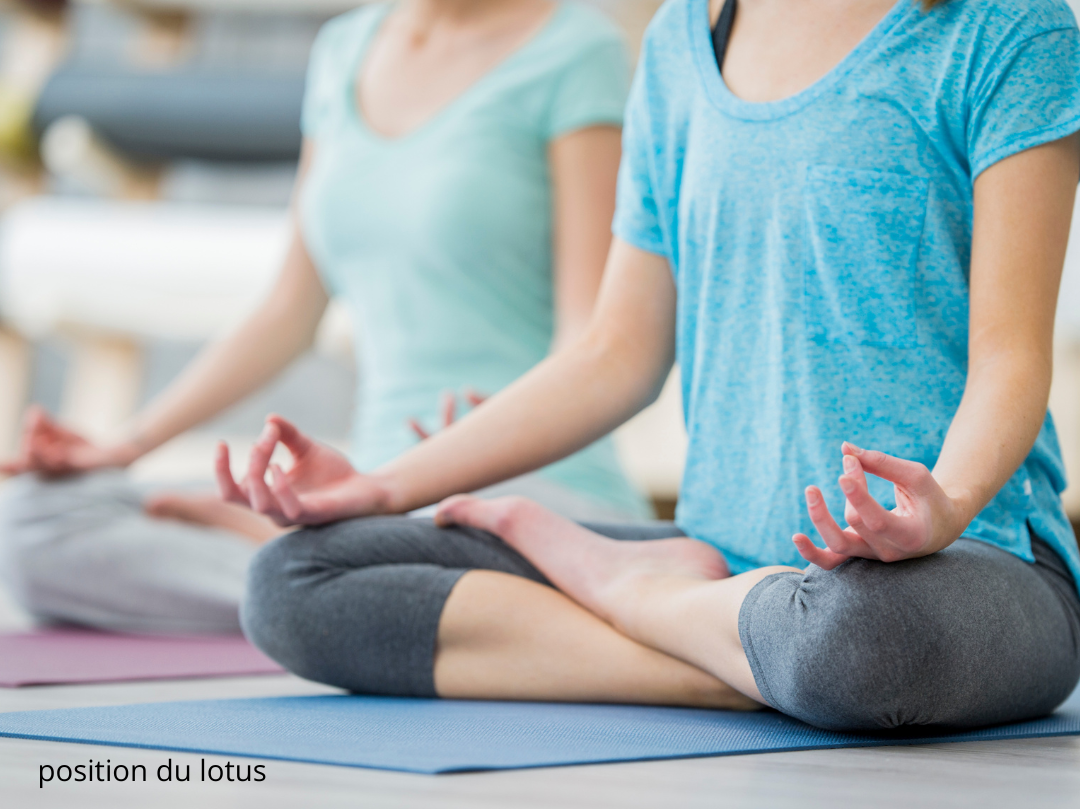
The lotus position, or Padmasana in Sanskrit, is one of the most iconic and respected postures in the practice of yoga. A symbol of purity and spiritual elevation, this posture is often associated with meditation and inner seeking.
In this article, we will explore this posture in depth, from its origins and meanings to its benefits and practical methods for integrating it into your yoga routine.
Origin and meaning
The lotus position has its roots in ancient traditions of yoga and Buddhism. Used for millennia, it symbolizes the blossoming of the human spirit and the flourishing of consciousness. The lotus, a flower that grows in mud to emerge immaculate on the surface, represents the potential for transformation and inner purity.
Benefits of the lotus position
Physical benefits
Practicing the lotus position regularly helps improve hip and knee flexibility, strengthens ankles and legs, and promotes better posture. This posture also helps stretch back muscles, thereby reducing back pain. Overall, we can note that the physical benefits are!
Deep abdominal muscles are strengthened
Hips gain flexibility
Tones the entire groin area
Joints are strengthened in the knees and ankles
Better abdominal breathing
Mental benefits
In addition to the physical aspect, the lotus position is known to induce a state of calm and deep concentration. By stabilizing the body, it helps stabilize the mind, thus facilitating meditation and mental clarity.
Energetic benefits
On an energetic level, Padmasana is known to open the chakras, particularly the root chakra (Muladhara) and the crown chakra (Sahasrara). This opening allows for better circulation of vital energy (prana) in the body.
Discover our t-shirts and sweatshirts

Preparations for the lotus position
Stretches and preliminary exercises
Before attempting the lotus position, it is essential to prepare your body with targeted stretches. Focus on opening the hips with postures like butterfly pose (Baddha Konasana) and pigeon stretch (Eka Pada Rajakapotasana). Working on knee flexibility with gentle exercises is also crucial.
Recommended warm-ups
Start with light warm-ups to increase blood circulation and relax muscles. Sun Salutations (Surya Namaskar) are ideal for preparing the entire body for practice.
Alternative postures for beginners
If you are a beginner, it can be helpful to start with more accessible variations of the lotus position, such as half-lotus (Ardha Padmasana) or simple pose (Sukhasana).
Practical Guide to achieving the lotus position
Detailed steps to enter the posture
- Sit on your mat with your legs extended in front of you.
- Bend your right knee and place your right foot on your left thigh, as high as possible.
- Bend your left knee and place your left foot on your right thigh.
- Make sure both knees touch the floor and your spine is straight.
Tips for maintaining balance and stability
Keep your hands on your knees in Jnana Mudra (gesture of knowledge), in Chin Mudra, or in Anjali Mudra (prayer gesture, we talk about it in this article => Namaste) to stabilize the posture. Focus on your breath to maintain balance and harmony between body and mind.
Adjustments and corrections to avoid common mistakes
Avoid forcing your knees if you feel pain. Use meditation cushions to raise your hips if necessary. Make sure your weight is evenly distributed on your sit bones (the bones of your buttocks) and not on your spine.
Precautions and Contraindications
The lotus position requires great flexibility in the hips and knees. If you have knee, ankle, or hip injuries, it is best to consult a professional before attempting this posture. Always listen to your body and never force a posture.
Integrating Lotus into your daily practice
Combinations with other yoga postures
Padmasana can be integrated into a yoga sequence that includes hip-opening postures and back stretches. For example, after postures like the pigeon pose to prepare for lotus or child's pose, lotus can provide a moment of calm and centering.
Practice hip-opening postures regularly and be patient with your body. Use props like blocks and cushions to support your practice and help you progress safely.
The lotus position is a powerful and symbolic posture that offers many physical, mental, and energetic benefits. By integrating this posture into your yoga practice, you will be able to develop greater flexibility, better concentration, and inner harmony.
Remember to practice regularly and listen to your body to progress safely. To discover other essential yoga postures, consult our complete guide to fundamental asanas.